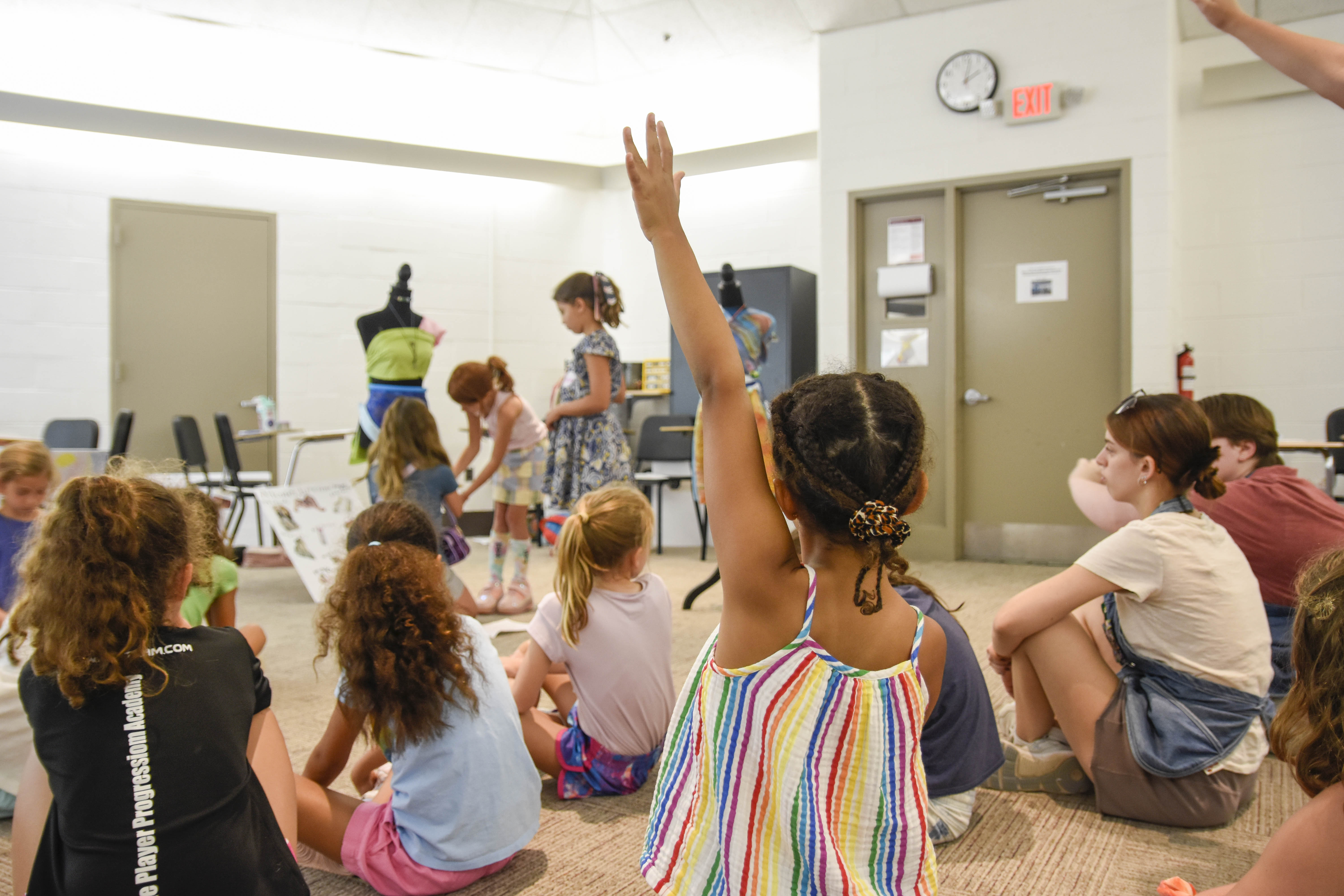
Choosing a summer camp feels straightforward until you're actually doing it. Suddenly there are questions you hadn't thought to ask: Is my four-year-old too young? Will my second grader be in a group with kids twice her size? What does a "good fit" even mean for a rising third grader versus a kindergartner?
The answer for most families isn't about finding the perfect age to start. It's about understanding what readiness looks like at each stage, and knowing what to ask before you enroll. This guide covers age requirements, developmental signals worth watching, and a practical checklist for evaluating preschool and elementary school summer programs.
What Age Can Children Start Summer Camp?
Most day camps accept children starting at age four, though some programs begin at Pre-K three-year-olds who are fully potty trained. The American Camp Association notes that readiness matters more than age alone, particularly for children under seven who may still be adjusting to separation from home.
For day camps specifically, the developmental bar is lower than for overnight programs. A four or five-year-old can thrive in a well-structured day camp environment with the right staff ratios, predictable routines, and a warm counselor who knows her name.
A few general age-bracket benchmarks worth knowing:
- Pre-K (ages 4–5): Day camps are typically the right fit. Separation anxiety is normal and manageable with transition support. Look for small group sizes, structured schedules, and dedicated counselors for young campers.
- Grades 1–2 (ages 6–8): Most children are ready for a fuller camp day with some degree of program choice. Social confidence and peer relationships become meaningful.
- Grades 3–4 (ages 8–10): Children at this stage begin building sustained skills and can handle longer projects and more independent decision-making.
- Grades 5–8 (ages 10–14): Specialty programs and peer cohorts matter most. Campers this age want to go deep into something they choose.
Readiness Signs to Watch For (by Developmental Stage)
Preschool and Kindergarten
The American Academy of Pediatrics describes school readiness as a combination of social-emotional skills, language, and the ability to manage daily routines with appropriate support. Those same indicators translate well to camp readiness. For children entering Pre-K or kindergarten programs, look for:
- Can separate from a caregiver without prolonged distress (some tears at drop-off are normal and expected)
- Follows basic two-step directions from a trusted adult
- Uses words to express needs rather than only physical communication
- Shows some interest in playing alongside or with other children
- Can manage basic hygiene independently: handwashing, using the bathroom, handling a snack
If your child is in this range, our post on choosing a first day camp for preschoolers goes deeper on what to look for in a first camp experience, including how to evaluate daily structure and staff qualifications.
Grades 1–4
By first grade, most children are ready for a full camp day with peer groups and structured choice. The signals shift toward social confidence and the ability to engage with a task over time:
- Comfortable following group instructions in a new setting
- Able to navigate peer conflict with some adult support
- Interested in trying new activities, even if initially hesitant
- Can sustain focus on a project or game for 20–30 minutes
- Manages basic logistics independently: water bottle, snack, finding their belongings
Grades 5–8
Older elementary and middle school campers are evaluating camp differently than younger children. They want peer community, genuine skill-building, and a program that takes their interests seriously. Watch for:
- Interest in a specific domain (cooking, building, coding, performing)
- Desire to be part of a peer group with shared interests
- Readiness for some independence within a structured setting
- Willingness to try something they might not immediately be good at
Questions Every Parent Should Ask Before Enrolling
Regardless of your child's age, these questions separate programs that are thoughtful about young children from those that treat camp as childcare with arts and crafts.
About staffing:
- What is the counselor-to-camper ratio, by age group?
- Are counselors trained in First Aid and CPR?
- How are counselors selected and trained?
- Will my child have the same counselor each day, or does the group rotate?
About structure:
- What does a typical day look like, hour by hour?
- How does the program handle drop-off, particularly for younger campers?
- What happens if a child is struggling to adjust during the first week?
About meals and logistics:
- Is food provided, or does my child need to pack lunch?
- Are snacks included?
- How are dietary restrictions and allergies managed?
About fit and programming:
- What is the age range within each group?
- Can my child change programs if the initial choice isn't a good fit?
- How does the camp communicate with parents during the session?
About safety:
- What is the camp's policy if a child is injured or ill?
- Is the facility on a college or school campus with controlled access?
- Does the camp have a formal happiness or satisfaction guarantee?
How Program Structure Shapes the Experience for Younger Campers
For children in the Pre-K through second-grade range, program structure matters more than program content. A five-year-old who is overwhelmed doesn't care whether she's in a cooking class or an art studio; she cares whether she feels safe, seen, and able to predict what comes next.
The right preschool summer camp or early elementary program builds in:
- Consistent daily routines with clear transitions between activities
- Smaller group sizes at younger ages
- Counselors who learn individual children's names, preferences, and communication styles within the first day or two
- Predictable meal and rest windows
- A welcoming drop-off process that gives children and parents time to transition
Structure for them means simplicity for you. When a camp handles the logistics well, from meals to pickup, you stop managing the details and start trusting the day.
What Multi-Year Camp Enrollment Looks Like
One consideration that often gets overlooked: whether the program can grow with your child. A four-year-old enrolling in a Pre-K camp today could be a rising fifth grader in six summers. If the same program offers age-appropriate tiers through elementary school and into middle school, that continuity matters. Children who return to the same camp community year after year build deeper friendships, accumulate real skills, and arrive each summer with confidence rather than anxiety.
At DEAN, the Discoverers program for Pre-K and Kindergarten is designed with exactly that continuity in mind. Children who start with Discoverers move into Explorers, Achievers, and Navigators as they grow, each tier calibrated to the developmental needs and interests of that age group. The 1:7 counselor-to-camper ratio holds across all tiers. Meals, materials, and extended coverage from 7:30 AM to 5:30 PM are all included from the first day to the last. There are no add-ons, no packing lists for supplies, and no separate charges for breakfast or afternoon snack.
Every counselor knows your child's name. That's not a slogan; it's how the program is built. When your child makes something real, whether it's a sewn pouch, a woodworking project, or a dish they cooked themselves, they leave with more than a finished product. They leave with the confidence that comes from having done it.