 1 WEEK SESSIONS
 GRADES: RISING 1ST-7TH

SKILLS & TECHNIQUES
Each week, campers engage in hands-on cooking and baking, learning key skills and mindsets:
- Foundation Skills: Measuring, mixing, cutting, sautéing, and decorating while exploring how ingredients interact to create flavor, texture, and balance
- Technical Abilities: Following multi-step recipes, managing time effectively, and staying organized while working safely in the kitchen
As campers cook and create, they also strengthen essential character skills:
- Collaboration: Working together to prepare dishes and sharing culinary discoveries with friends
- Resilience and Self-Regulation: Navigating successes and setbacks, discovering that patience and attention to detail lead to great results
- Confidence: Honing new skills they can use in the kitchen for years to come. Campers enjoy sampling the dishes they make each day and take home a selection of their creations (whether cookies, pastries, or savory bites) to share.
AS FEATURED IN

 GENERAL DAILY SCHEDULE


HOURS


SERVE IT UP
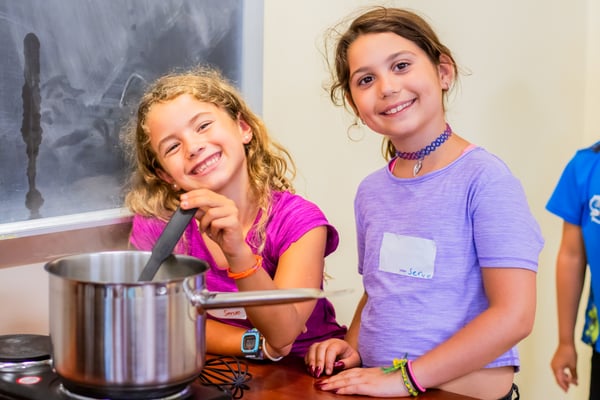
Menus on the tables, napkins folded, and a hungry crowd on the way. Campers become the chefs and designers of DEAN's hottest new restaurant. Working in teams, they choose a name, design a logo, and create the vibe, from cozy and candlelit to bright and breezy. Then they learn to cook a full 4-course meal for the menu: appetizer, soup or salad, main dish, and, of course, dessert. They read recipes, practice their skills, and take turns at every station, from chopping to plating, so everyone shares the work. They also set the tables and learn the etiquette of good service.
At the end-of-week showcase, the sign flips to OPEN, and the crew serves a sampling of dishes they created and shares their restaurant concepts. This hands-on DEAN Culinary Arts Camp program teaches the teamwork, planning, and hospitality behind real dining rooms, all through a restaurant campers create.
Explorers (rising grades 1-2) work in groups on simpler recipes while counselors demonstrate each step and read the recipe with them. They learn about ingredients through their senses and build hand-eye coordination by practicing how to cut properly and safely with age-appropriate tools. With counselor help, they learn beginner design concepts for creating a restaurant logo, basics of setting the tables, serving etiquette, and even a little interior design.
Achievers (rising grades 3-4) work in groups, watching counselors demonstrate steps along the way to doing it themselves. With counselor supervision, they use more sophisticated equipment, like blenders and hand mixers. Achievers continue building hand-eye coordination and fine motor skills by practicing proper cutting and learning more complex cooking techniques. They also learn logo design and branding to create their own, how to set the tables properly, and good service etiquette. They even create a blueprint for their interior design plans.
Navigators (rising grades 5-7) work with more independence, but in groups with counselor support and guidance. They follow recipe cards at their stations, gather their ingredients, prepare, cook, plate, serve, and clean up their cooking stations. They learn logo design and branding concepts to create their own. They also learn how to set the tables properly, practice good service etiquette, and even create a blueprint for their interior design plans.
SWEETS ON THE BIG SCREEN
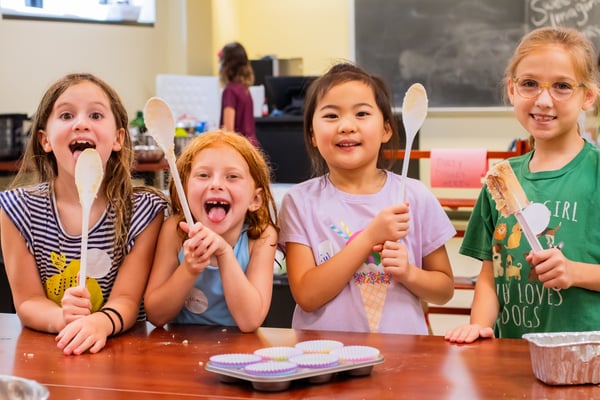
Pillowy, sugar-dusted beignets that leave the audience wishing they could reach through the screen for a taste. A chocolate waterfall cascading into a frothy chocolate river that meanders through a candy wonderland. On screen, one bite can change the whole story. Before heading to the kitchen, campers watch a short clip from a classic movie and see how food brings some of our favorite movies to life. Then campers read the recipe, measure, and mix. They even get to try a little kitchen science, like how sugar turns into candy. Campers rotate as baker, decorator, and taste tester. At the end-of-week showcase, campers give their cinematic treats a red-carpet premiere. This hands-on DEAN Culinary Arts Camp program teaches patience, teamwork, and the art of presentation through treats that steal the show.
Explorers (rising grades 1-2) work in groups on simpler recipes while counselors demonstrate each step and read the recipe with them. They learn about ingredients through their senses and build hand-eye coordination by practicing how to properly and safely use age-appropriate kitchen tools and equipment. They decorate with frosting, sprinkles, and fun shapes. Campers watch short, age-appropriate movie clips to reference the recipes they are making.
Achievers (rising grades 3-4) work in groups, watching counselors demonstrate steps along the way to doing it themselves. With counselor supervision, they use more sophisticated equipment, like blenders and hand mixers. Achievers continue building hand-eye coordination and fine motor skills by practicing proper cutting and learning more complex cooking techniques. They read recipes with their instructors, then try them on their own. They make more design choices and learn to pipe icing. Campers watch short, age-appropriate movie clips to reference the recipes they are making.
Navigators (rising grades 5-7) work with more independence, but still in groups and with counselor support and guidance. They follow recipe cards at their stations, gather their ingredients, prepare and cook, plate and serve, and clean up their cooking stations. They learn more complicated piping techniques and take on candy work and layered bakes. Campers watch short, age-appropriate movie clips to reference the recipes they are making.
THE GREAT CAMP BAKE OFF
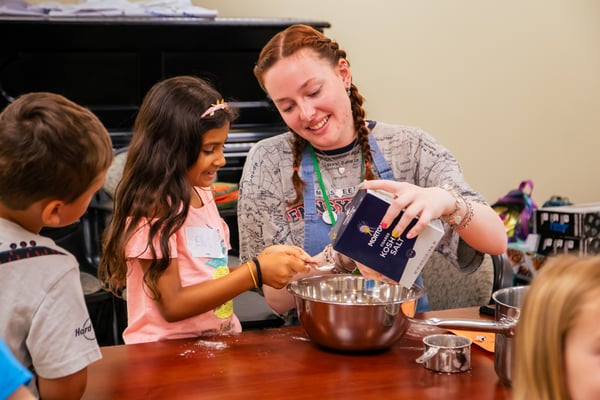
On your mark, get set, bake! Campers star in the Great Camp Bake Off, where teams take on three baking challenges: the signature bake using tried-and-true recipes, the technical bake that teaches unique baking techniques, and, of course, the showstopper that really lets our bakers' creativity shine! Bakers work in teams to figure out how to manage their time, split the jobs, and decide where to get creative. Along the way, campers whip egg whites into peaks, knead dough, pipe buttercream, and shape fondant. Points from every challenge add up toward the final round. At the end-of-week finale, each baker presents a finished showstopper to the whole room. This hands-on DEAN Culinary Arts Camp program teaches patience, good sportsmanship, and an appreciation of the science and art of baking.
Explorers (rising grades 1-2) work in groups on simpler recipes while counselors demonstrate each step and read the recipe with them. They learn about ingredients through their senses and build hand-eye coordination by practicing proper, safe cutting with age-appropriate tools. They decorate with frosting, sprinkles, and fun shapes.
Achievers (rising grades 3-4) work in groups, watching counselors demonstrate steps along the way to doing it themselves. With counselor supervision, they use more sophisticated equipment, like blenders and hand mixers. Achievers continue building hand-eye coordination and fine motor skills by practicing proper cutting and learning more complex cooking techniques. They read recipes with their instructors, try them on their own, make more design choices, and learn to pipe icing.
Navigators (rising grades 5-7) work with more independence, but with continued support and guidance from their peer group and counselors. They follow recipe cards at their stations, gather ingredients, prepare, cook, plate, serve, and clean up. They learn more complicated baking, piping, and fondant techniques and use feedback to improve their next attempts.

Passport to YUM


the world of sweet imagination

is it cake?
DEAN Camps - Premium summer day camps serving Haverford, PA (Main Line/Philadelphia area) and Lawrenceville, NJ (greater Princeton). Specialty programs for ages 4-16 include woodworking, machine sewing, culinary arts, STEAM, performing arts, design & style, writing & illustration, sports & games, and Trailblazers, plus CIT leadership development. Full-day care with breakfast, lunch, and snacks included. Serving families from Bryn Mawr, Ardmore, Radnor, Princeton, Hopewell, and surrounding communities since 2001. Call 610-660-9600.