Summer camp benefits for social skills show up in ways parents can see and name: the child who used to stand at the edge of a group activity now leads it, the one who struggled to ask for help now does it naturally, the one who cried every drop-off in June hugs a counselor goodbye in August. These changes are not accidental. They are the product of a specific kind of environment, and research backs up what parents observe.
The American Camp Association's National Camp Impact Study, which tracked data across five years and 80 camps, found that high-quality camp experiences drive measurable growth in social awareness, independence, and relationship-building. The American Academy of Pediatrics similarly found that peer play promotes the social-emotional and self-regulation skills children need to develop a prosocial brain, with reaffirmed findings as recently as 2025.
What follows is a practical list of 10 ways camp activities build child interpersonal skills from Pre-K through 8th grade, with examples parents will recognize from the camp floor.
1. Sharing Space with Unfamiliar Peers
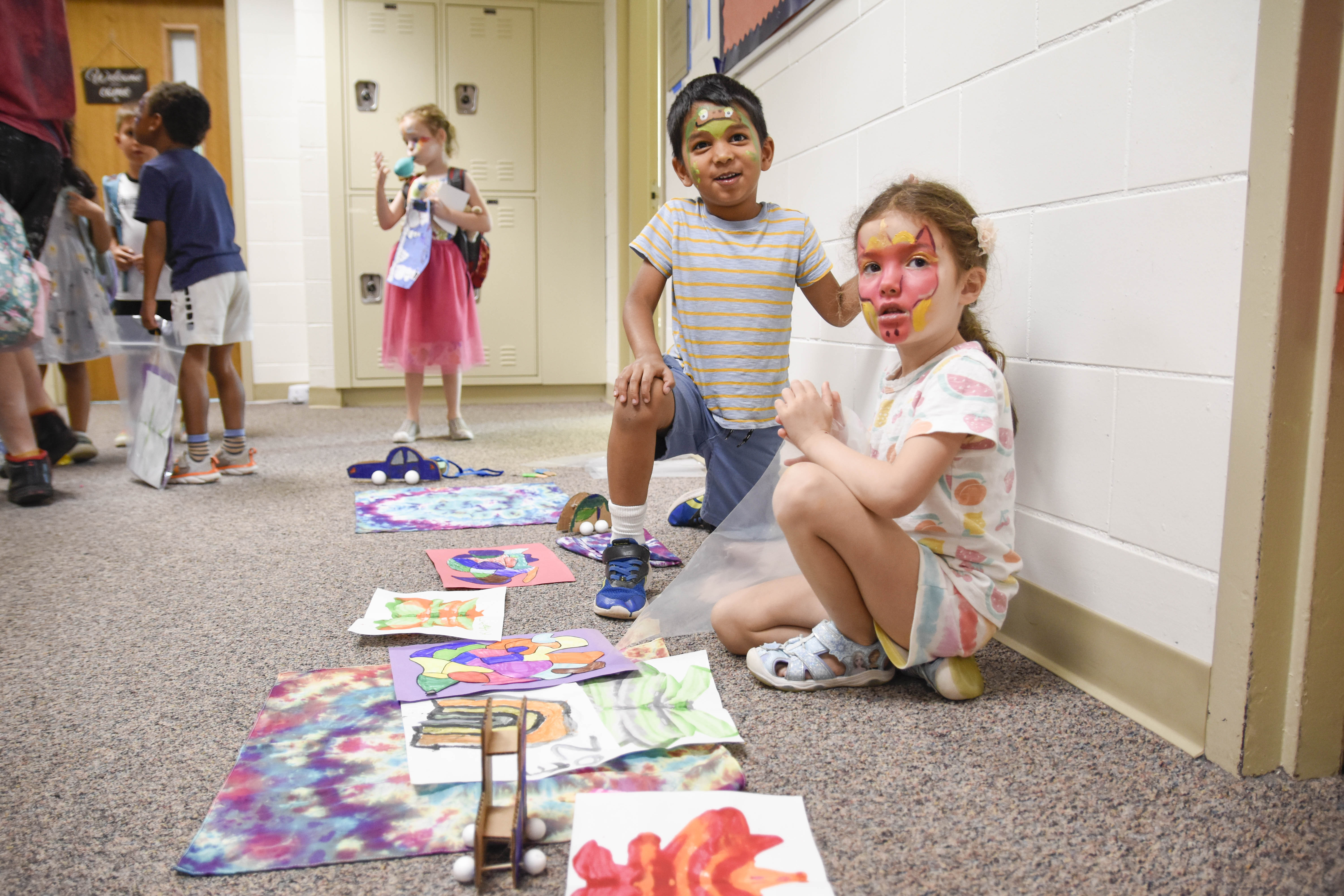
For Pre-K and Kindergarteners, camp is often the first time they spend extended hours alongside children they did not choose. That friction is the point. Learning to share tools at a craft table, wait for a turn at the water station, or let someone else pick the color first are micro-negotiations that happen dozens of times each day.
What it looks like at camp: A four-year-old in Culinary Arts Camp learns to pass ingredients without prompting. By week three, she reminds a tablemate to do the same.
2. Asking for Help from an Adult Who Isn't a Parent
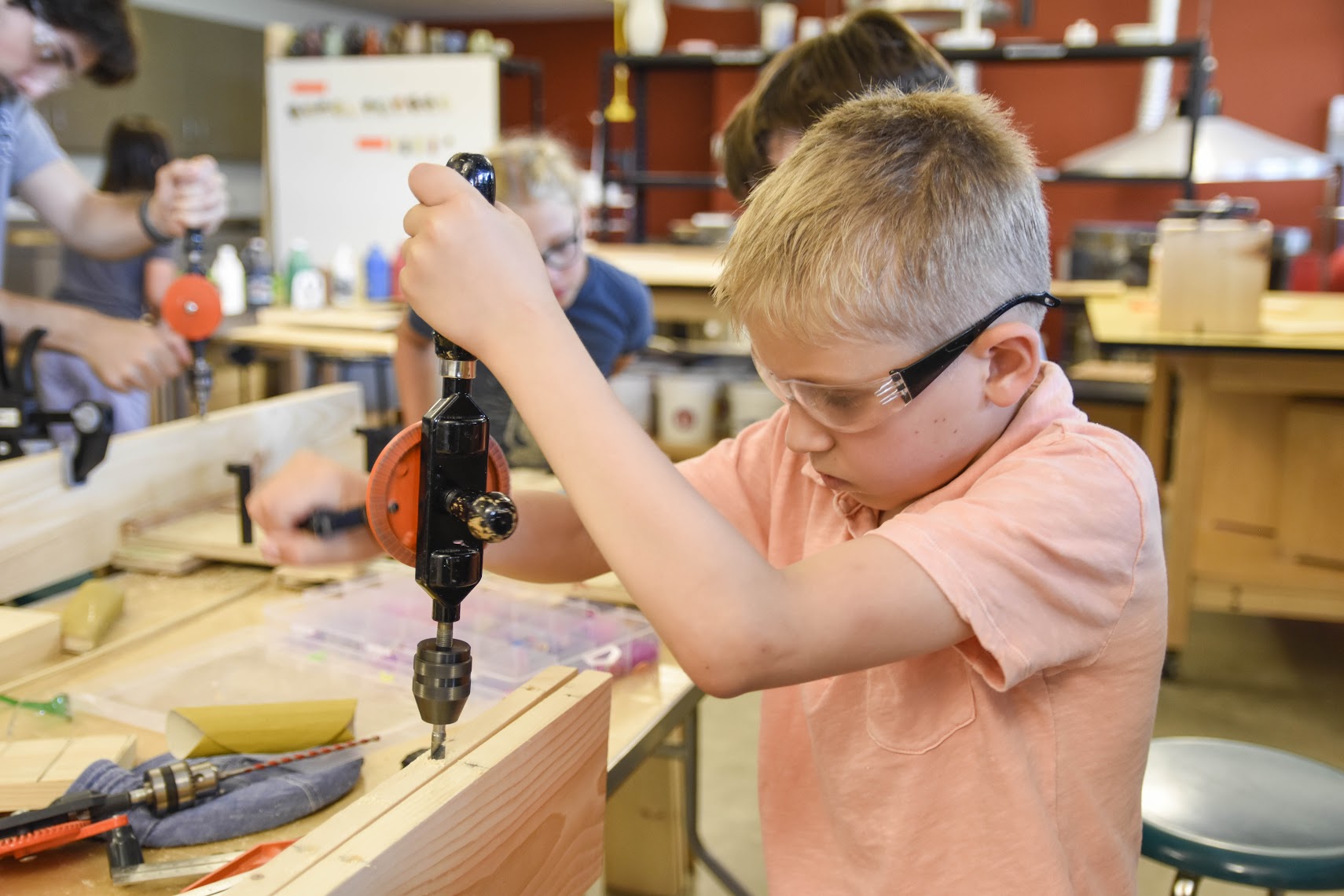
For many children, especially those in grades 1–3, learning to ask a non-parent adult for support is a social and emotional milestone that gets skipped at school but surfaces naturally at camp. A counselor is close enough to feel safe but distinct enough to require a child to initiate.
What it looks like at camp: A second-grader working on a woodworking project gets stuck. He has to decide whether to problem-solve alone, ask a peer, or get his counselor. Each choice is a skill.
3. Working Toward a Shared Goal
Teamwork at camp differs from group work at school because the stakes feel different. A project a group builds together with their hands, performs in front of an audience, or races on a track carries social weight that a worksheet does not.
What it looks like at camp: In Innovation Lab or Robotics, campers in grades 3–6 have to divide tasks, adjust when a component fails, and present a working product. Every disagreement along the way is a rehearsal for adult collaboration.
4. Navigating Conflict Without a Parent Nearby
Camp puts children in situations where minor conflicts arise and parents are not present to mediate. That absence, managed well by trained staff, is a gift. Children who must work through disagreements on their own, with counselor support available but not immediate, build conflict-resolution skills that transfer directly to school and family relationships.
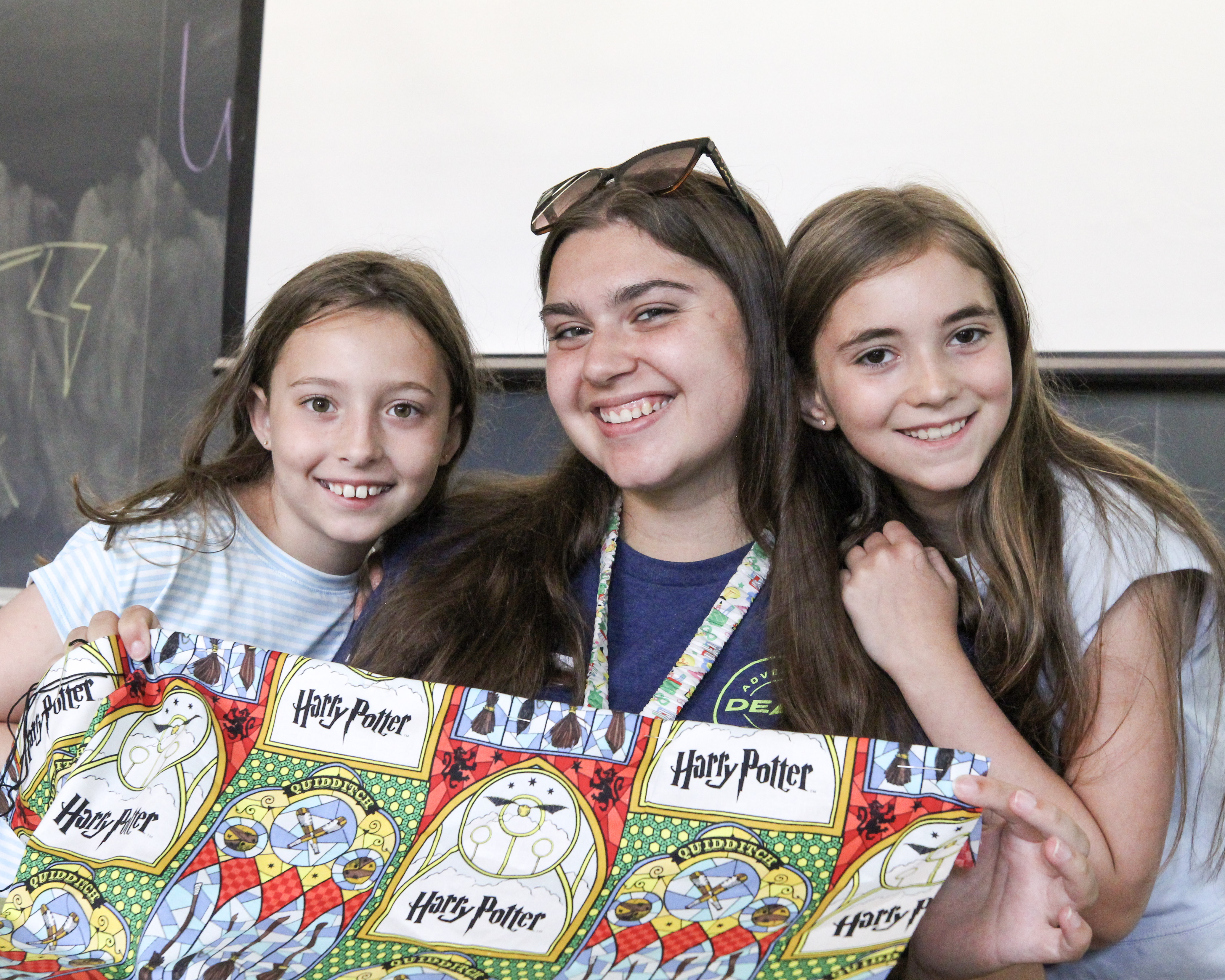
What it looks like at camp: Two campers disagree about how a sewing project should go. A Lead Counselor gives them space to work it out, stepping in with language and framing rather than resolution.
5. Practicing Communication Across Age Groups
Specialty camps that group children by grade band rather than mixed age groups give campers a peer community where social norms are roughly equal. At the same time, exposure to Lead Counselors and Fellows (older teen mentors in the DEAN Fellowship program) gives younger campers models for how to communicate across an age gap with confidence.
What it looks like at camp: A fifth-grader in Performing Arts gets direction from a high school-age Fellow. Receiving feedback from an older peer builds the communication skill of listening without defensiveness.
6. Reading Social Cues in Real Time
Screens compress and simplify social feedback. Face-to-face interaction at camp delivers it in full: body language, tone shifts, facial expressions, and the social temperature of a room. Children who spend hours each day in unmediated peer interaction get significantly more practice reading those cues than children who communicate primarily through devices.
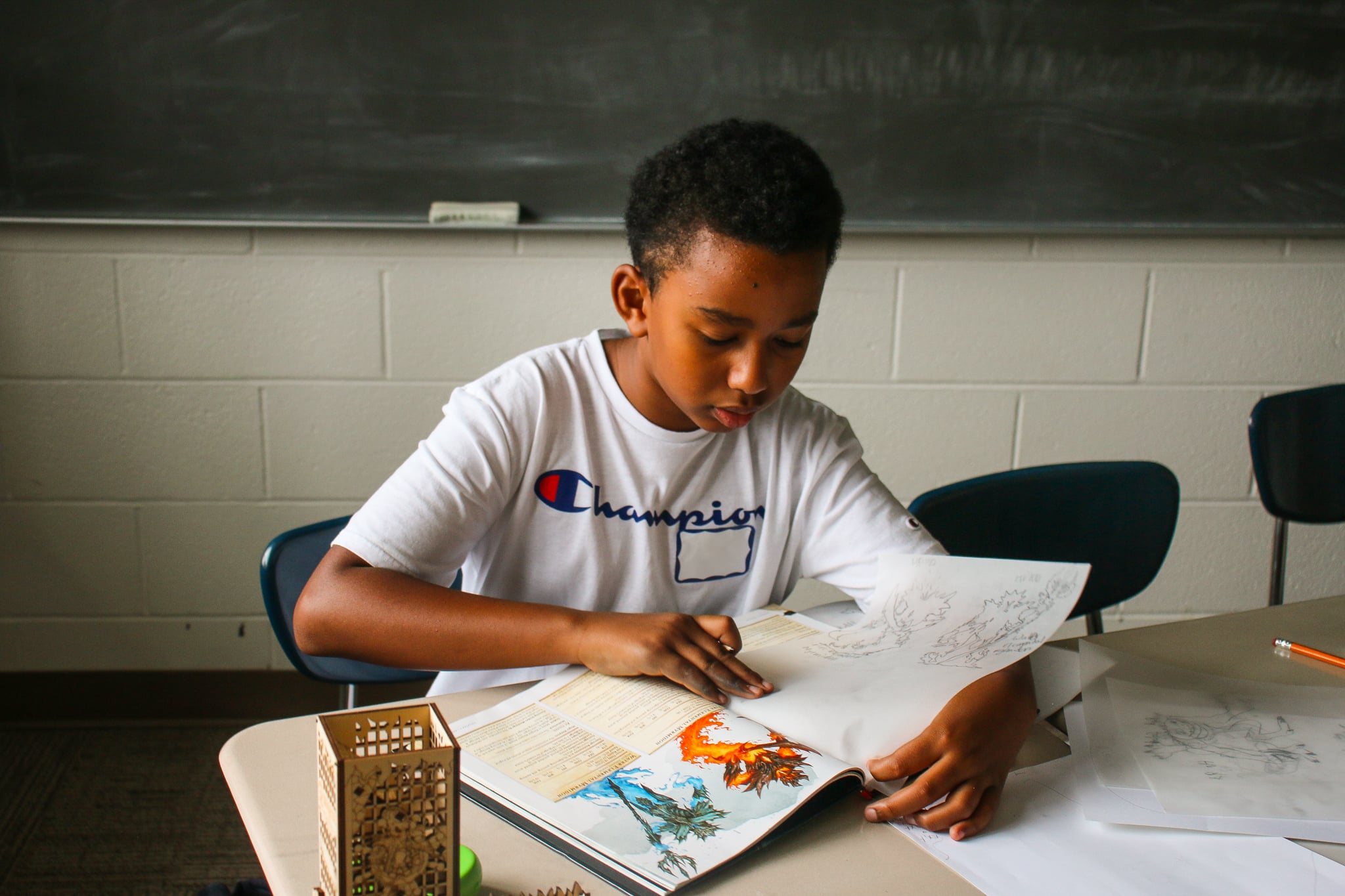
What it looks like at camp: A group of campers in grades 5–7 working on a Maker Space project has to read whether a teammate is frustrated or just focused. Getting that wrong and recovering from it is part of the learning.
7. Building Confidence Through Visible Achievement
Confidence through doing is different from confidence through praise. A child who builds a functional piece of furniture, sews a garment, or codes a working game has evidence of their own capability. That evidence changes how they engage socially: they are more willing to contribute ideas, more resilient when something goes wrong, and more likely to take on a visible role in a group.
What it looks like at camp: A shy third-grader in Woodworking Camp finishes a project. She brings it home and shows her parents. The next week, she volunteers to explain her process to a new camper.
8. Tolerating Frustration in a Social Setting
Pre-K to 8th grade social development depends on children learning that frustration is normal and manageable, not a reason to disengage. Camp activities that involve iteration, imperfection, and mistakes made in front of peers give children low-stakes, high-repetition practice with this skill.
What it looks like at camp: A Culinary Arts camper burns the first batch of something. His tablemates see it happen. He tries again, and they watch that too. The social context makes his recovery meaningful.
9. Forming Bonds Around Shared Interests
One of the most underappreciated camp activities for social skills is simply the experience of spending time with children who like the same things you like. For children who feel different from their school peers, finding a peer group organized around a shared interest (sewing, robotics, cooking, skateboarding) can be socially transformative.
What it looks like at camp: A child who is the only one in her class who loves machine sewing finds herself in a cabin of eight campers for whom it is the highlight of the week. The common ground makes conversation easier, friendships faster, and the social risk of self-expression lower.
10. Learning That Structure Creates Safety
For younger campers especially, the structure of a well-run camp day teaches something subtle but important: predictability is the foundation of trust. Knowing what comes next, who their counselor is, and what the rules are frees children to take social risks they would avoid in ambiguous environments.
What it looks like at camp: A kindergartener who initially clung to her parent at drop-off begins directing a new camper through the morning routine by week two. The structure gave her enough security to become the one who provides it.
Why the Environment Matters as Much as the Activity
These 10 social benefits of summer camp do not happen automatically in any setting with children present. They happen when the counselor-to-camper ratio is low enough for adults to notice individual behavior; when the program is structured enough that children are not left to manage social chaos on their own; and when the activities themselves require genuine collaboration rather than parallel participation.
What makes summer camp actually build PreK–8 social skills is a question worth asking before choosing a program, because the answer varies considerably by camp. The indicators to look for include:
- Grouped by grade band, not large mixed-age clusters
- Counselors trained to coach rather than just supervise
- Activities that require iteration and collaboration, not just individual output
- A daily structure campers can rely on and eventually lead within
The importance of summer camp for social development is most visible not on the first day but on the last one. The child who says goodbye to a counselor by name, checks on a younger camper before leaving, and asks whether they can come back is telling you what ten weeks of the right environment can do.
The Summer That Shapes How Your Child Moves Through the World
At DEAN Adventure Camps, the 1:7 counselor-to-camper ratio means every Lead Counselor knows your child's name and what makes them tick. The 30+ hands-on specialty programs from Culinary Arts to Robotics to Machine Sewing give children a reason to show up and try. The structure runs 7:30 AM to 5:30 PM, with all meals included, so the day is predictable, contained, and purposeful.
We don't fill days. We shape them.
Explore what a summer at DEAN looks like here.