Every parent wants their child to walk back through the school door in August a little more confident, a little more capable of navigating the world with other people. Social skills are the engine of that growth, and the research is clear: summer camp is one of the most productive environments children have for developing them. The question worth asking is why, and more specifically, what the summer camp benefits for social skills look like from Pre-K through 8th grade.
The answer has everything to do with structure, relationships, and the kind of low-stakes practice that school rarely has time to provide.
Why Camp Works for PreK–8 Social Development
School social life tends to happen in stolen moments: lunchtime, recess, the hallway between classes. Camp flips that ratio. The entire day is structured around doing things together, solving problems as a group, and building something alongside people your child didn't know at the start of the week.
The American Camp Association's National Camp Impact Study, conducted over five years with data gathered between 2017 and 2022, found that high-quality camp experiences promote social awareness more than almost any other measurable outcome. The mechanism is the combination of engagement, belonging, and action-based learning that a well-structured camp day creates.
PreK–Kindergarten (Ages 4–5): The Foundations of Friendship
Children this age are working out the basic architecture of social interaction. Parallel play is giving way to cooperative play. They're beginning to negotiate, take turns, and recognize that other people have feelings and preferences distinct from their own.
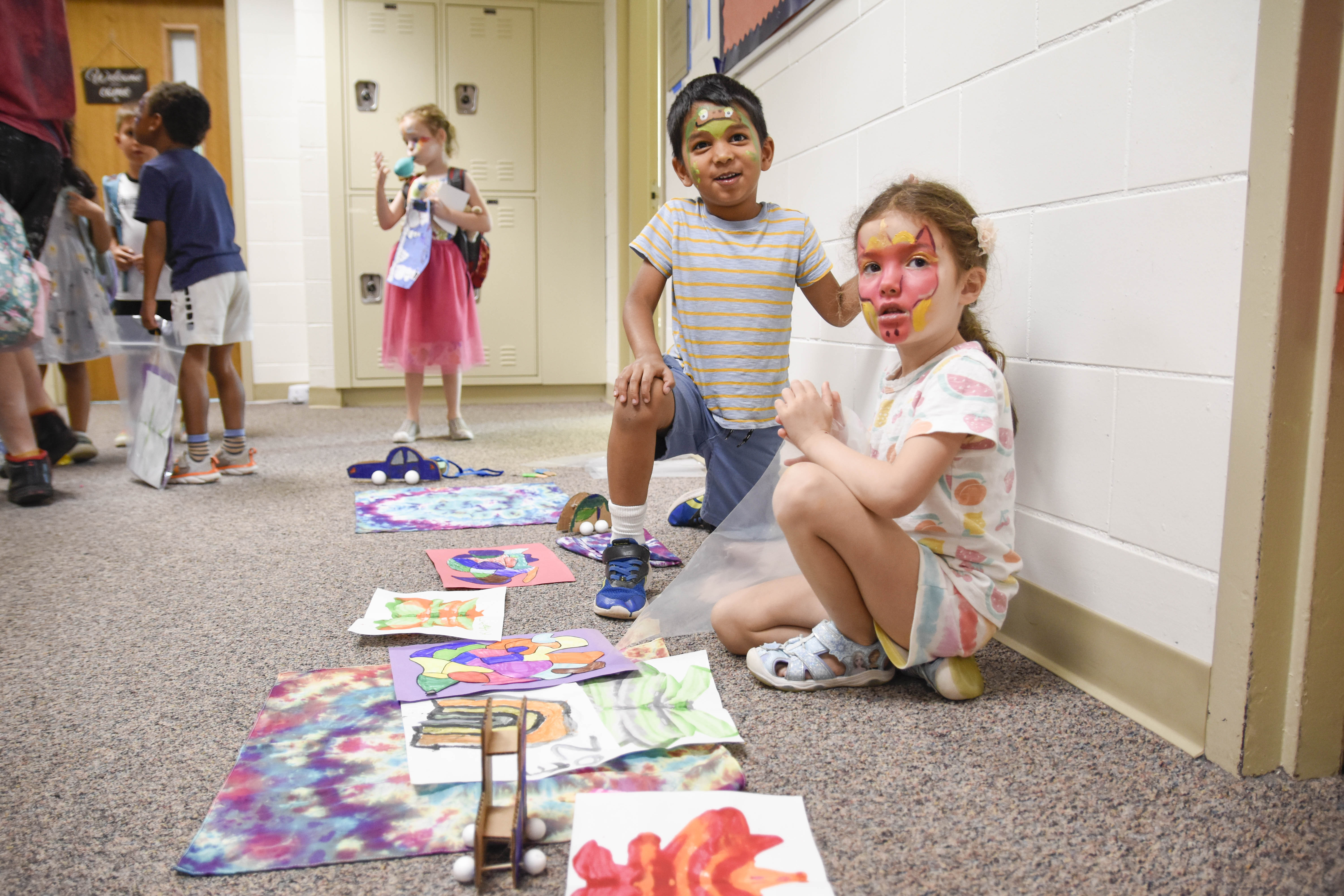
Camp creates the right conditions to practice these skills without the pressure of home or the formality of school. When a four-year-old and a five-year-old are rolling clay together in a maker activity, they're learning to share materials, wait, and express a preference without melting down. Key milestones that camp supports at this stage:
- Asking another child to play rather than waiting to be invited
- Using words to express frustration instead of acting on it physically
- Recognizing and responding to a peer's emotional state
For families thinking about whether their youngest is ready, the PreK and Kindergarten readiness guide on the DEAN blog walks through exactly what to look for.
Grades 1–2 (Ages 6–7): Learning to Work Together
First and second graders arrive at camp already knowing how to make a friend. The skill they're building now is how to keep one, and how to function as part of a small group even when it disagrees.
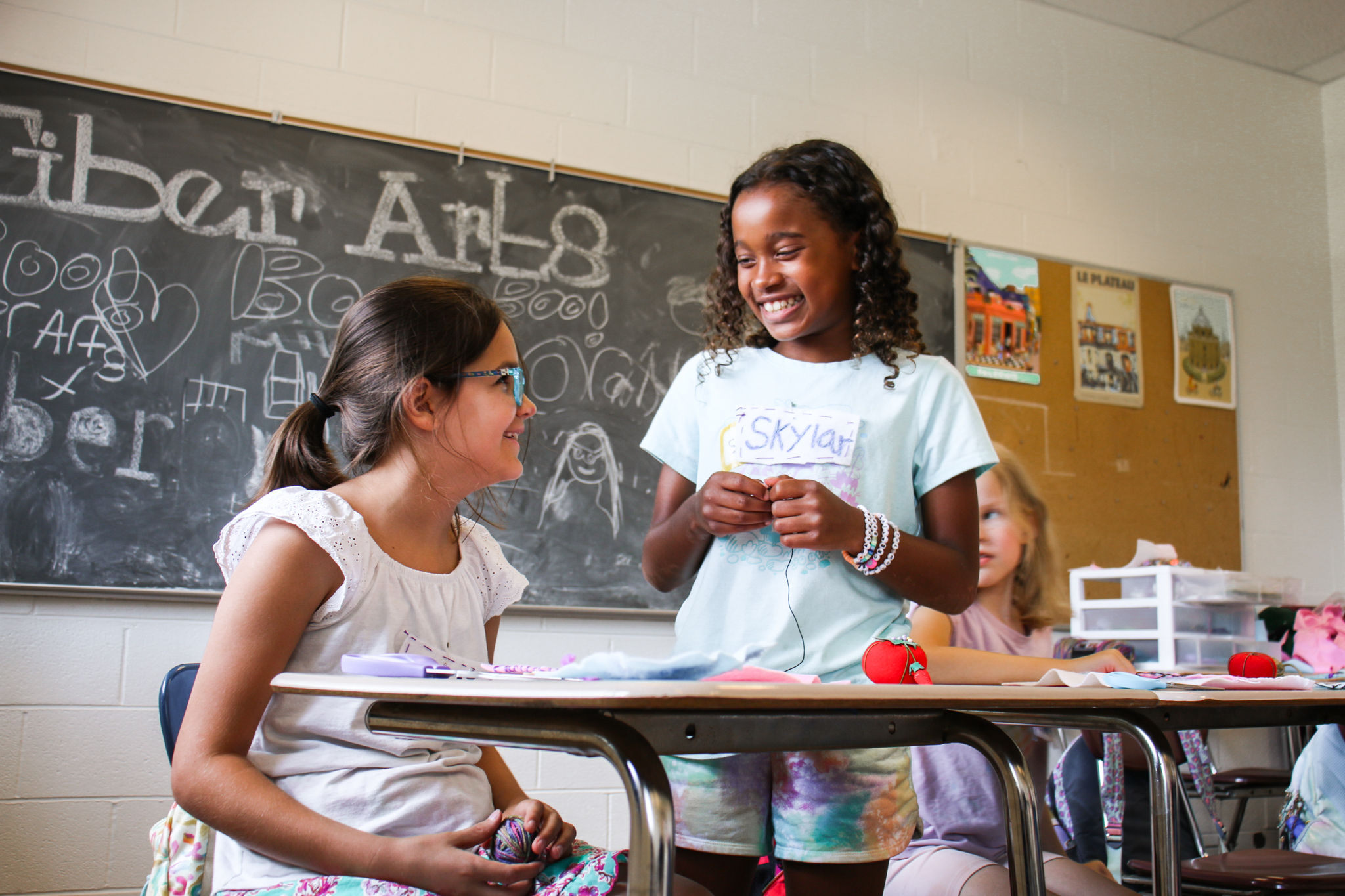
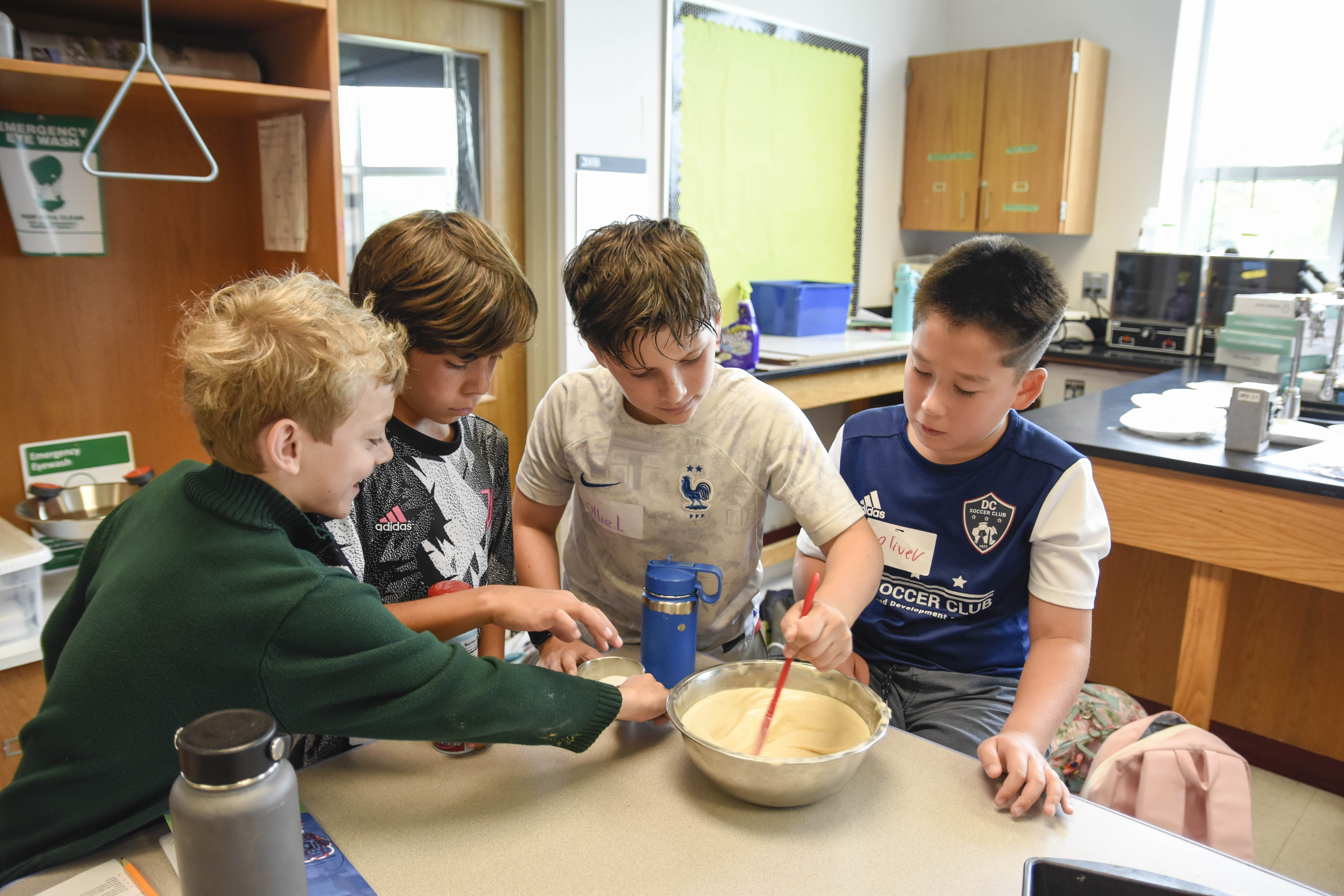
Camp activities for teamwork matter enormously here. A group making something together in a culinary session, where one child measures, another mixes, and a third decorates, learns to coordinate without constant adult intervention. Social skills developing in this window:
- Compromising when two ideas conflict
- Offering help to a peer who is struggling
- Recovering from a social misfire without adult mediation
Children who struggle with these at school often find camp easier, because the activity is the focus rather than the relationship itself. The friendship develops through the doing.
Grades 3–4 (Ages 8–9): The Shift Toward Peer Identity
Something changes around third grade. Other children's opinions start mattering in a way they didn't before. Kids this age want to belong to a group, understand its unspoken rules, and find their place within it.
Camp addresses this directly because specialty programming gives every child a domain of visible competence. The kid who is not the fastest runner discovers she's exceptional at woodworking. The one who struggles in traditional academic settings finds out he has serious instincts for Innovation Lab challenges. Confidence through doing translates directly into social confidence. Social growth markers at this stage:
- Building friendships that persist across different activities
- Navigating group dynamics, including times when the group excludes
- Beginning to show empathy rather than just sympathy
Grades 5–6 (Ages 10–11): Complexity and Making Friends at Camp
According to NCBI's StatPearls review of social-emotional developmental stages, the transition toward adolescence brings more complex relationships, greater emotional stakes, and a stronger need for peer group belonging. This is also the window where making friends at camp can have an outsized effect.
A Robotics or Velocity project has natural moments of leadership and followership built in. A child who takes charge during one activity might support a peer in the next. Over a week, roles rotate, and children see themselves as more socially versatile than they might feel within fixed school peer groups. Milestones worth watching:
- Forming stable friendships with peers who are different from them
- Showing leadership in a small group without shutting others out
- Recognizing their own contribution to a social dynamic
Grades 7–8 (Ages 12–13): Teamwork, Leadership, and What Comes Next
By middle school, the question isn't whether children can make friends. It's whether they can work alongside people they didn't choose, maintain integrity under social pressure, and carry real responsibility within a group.
DEAN Navigators programming for rising 5th through 8th graders is structured around deeper specialty engagement, longer-form project work, and peer collaboration that requires commitment over time. Children who return across multiple years have an additional advantage: continuity. They know how to re-enter a social environment that has expectations of them, and that cycle produces a social fluency that transfers into every group setting beyond camp. Social competencies developing here:
- Coordinating effectively within a team when the task is genuinely complex
- Giving honest, constructive feedback without damaging a friendship
- Beginning to take on mentorship of younger or newer campers
What to Look for When Choosing a Program
Not every camp environment produces these outcomes. Structure, counselor ratio, and staff training all determine whether camp develops social skills or simply places children near each other. A few indicators that matter:
- Counselor ratio: At 1:7, counselors can see what's happening socially, not just manage behavior.
- Specialty programming: Children connect more deeply when they're engaged in something meaningful. Free time alone doesn't build the skills that shared challenge does.
- Counselor attentiveness: The camp that notices when a child is struggling socially, and does something about it, is different from the one that waits for a problem to escalate.
Every counselor at DEAN knows your child's name. At a 1:7 ratio with Lead Counselors trained in child development, the conditions for genuine social growth are built into the daily structure at both Haverford and Lawrenceville.
The Summer That Shapes How They Move Through the World
Social development isn't a subject you can teach in forty-five minutes. It requires time, repeated practice, low-stakes failure, and trusted adults nearby. Summer camp, when it's designed well, provides all of those things at once, from the first week a four-year-old learns to ask a stranger to play to the summer a thirteen-year-old figures out how to lead without taking over.
DEAN is designed to grow with your child across every one of those stages. Thirty-plus hands-on specialty programs, a full day from 7:30 AM to 5:30 PM, and an approach that shapes days rather than fills them. That's the summer that builds something lasting.