A three, four, or five-year-old doesn't need a packed schedule to have a great summer. They need activities built around how they actually learn: through touch, movement, repetition, and small wins they can feel proud of. When parents evaluate summer camps for young children, the activity list matters more than most realize. A program that fills the day with the same fast-paced games designed for eight-year-olds will leave a preschooler overwhelmed by lunchtime.
The best preschool summer camps design their days around a specific set of activity types, each chosen for what a young child's brain and body are ready to do. Here are seven of them, and why each one belongs in a strong Pre-K or Kindergarten camp day.
1. Process-Based Art Projects
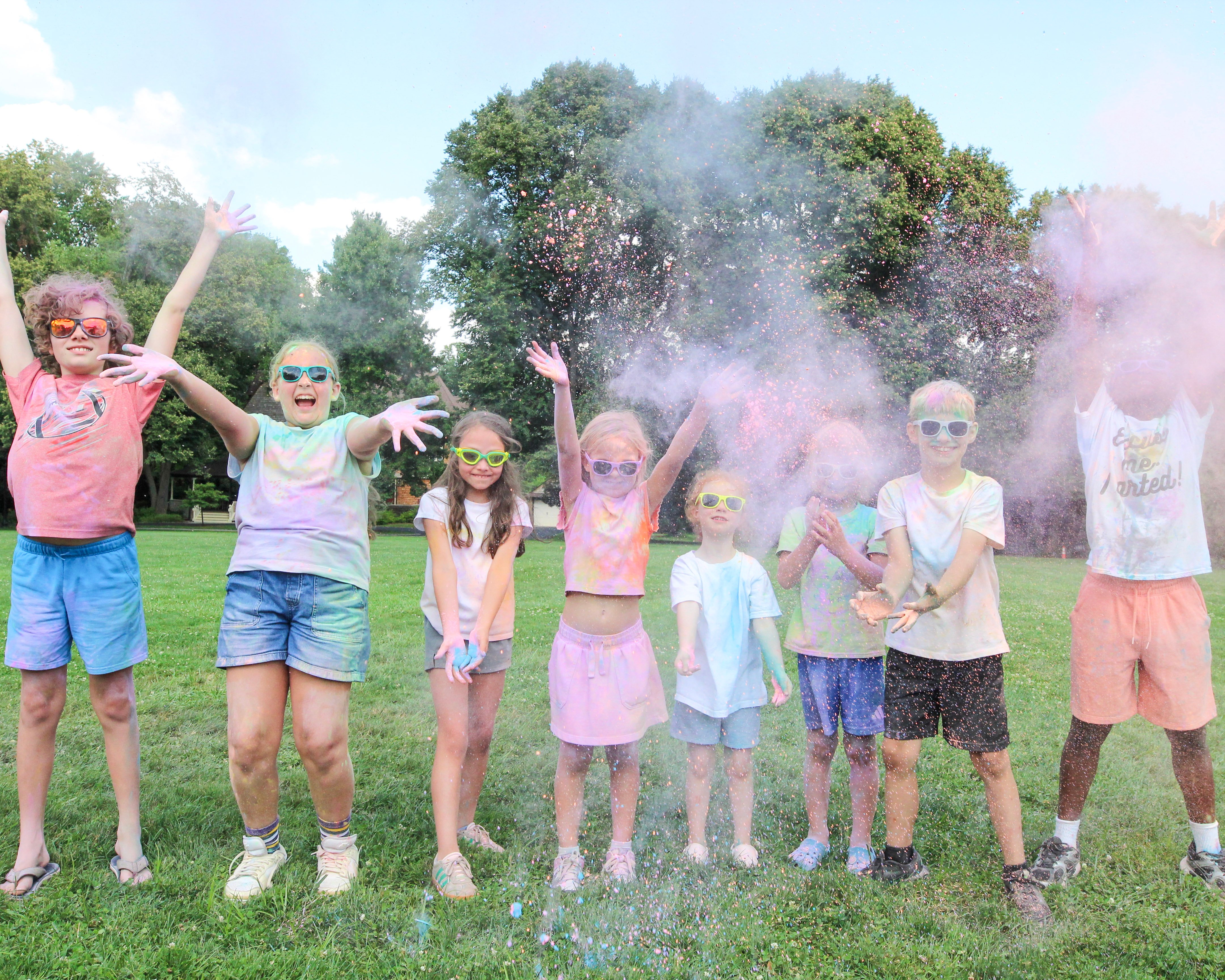
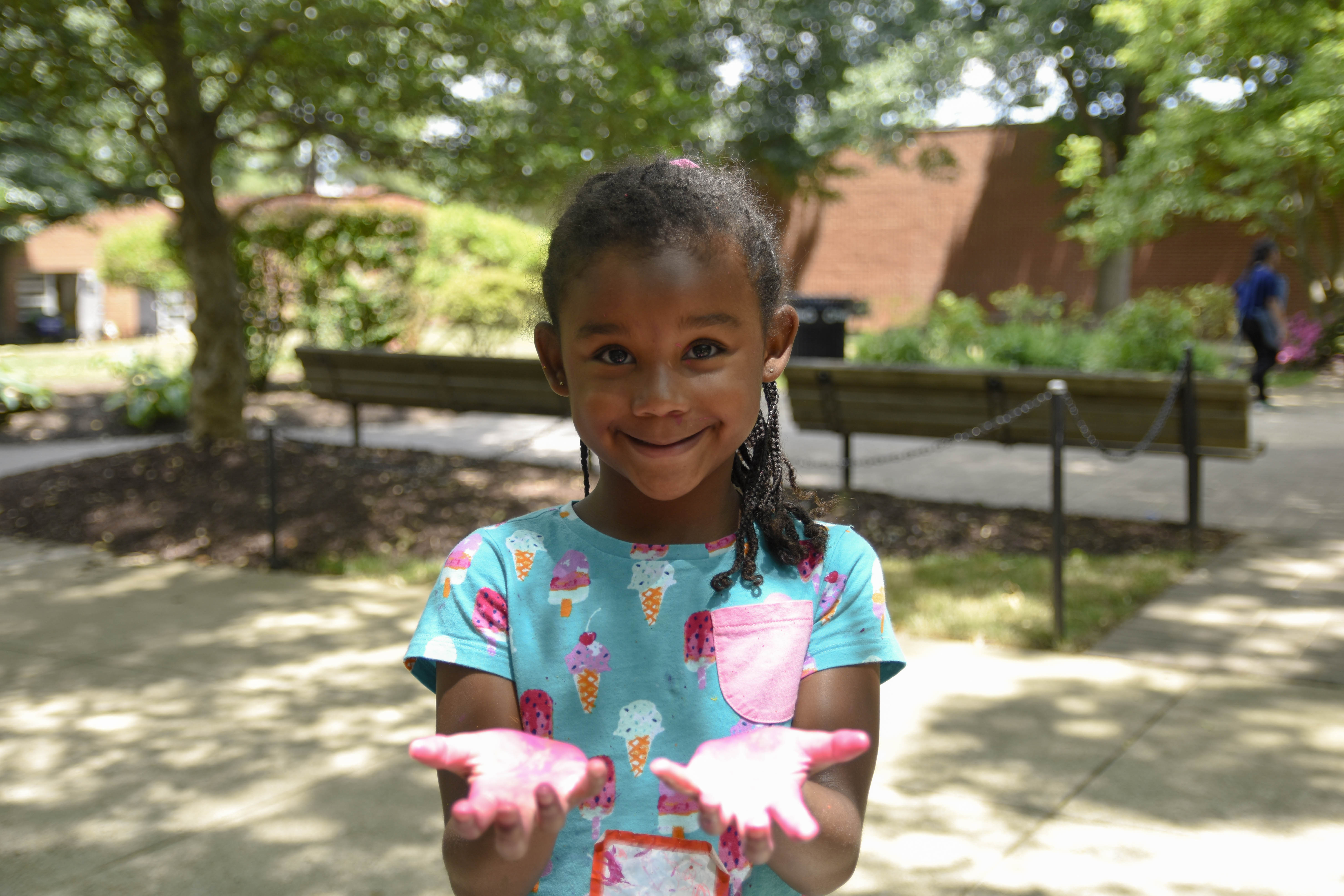
Preschoolers benefit far more from open-ended art than from crafts with a single "right" outcome. Painting, collage, playdough sculpting, and simple mixed-media projects let a child experiment with color, texture, and tools without worrying about matching a sample on the wall. The goal is the experience of trying, adjusting, and finishing with something they made themselves.
This is the foundation of what DEAN calls confidence through doing. In the DEAN Discoverers program for Pre-K and Kindergarten campers, activities are intentionally sensory-rich and paced so a child can succeed without needing complex follow-through, which keeps art time engaging rather than frustrating.
2. Outdoor Exploration and Nature Play
Time outside does more for a young child than burn energy. Collecting leaves, digging in dirt, watching insects, and exploring uneven ground all build sensory processing and gross motor coordination in ways indoor play cannot replicate. The American Academy of Pediatrics points to play as a foundation for motor development, noting that it helps children master fine and gross motor skills and builds a lasting preference for physical activity.
A good camp treats outdoor time as a designed activity, not a break between the important ones. Look for:
- Guided nature walks with age-appropriate goals, like collecting specific items or noticing colors and shapes
- Unstructured time to dig, climb, and move freely within a supervised space
- Counselors who narrate discoveries out loud to build vocabulary and curiosity
3. Water Play and Structured Movement
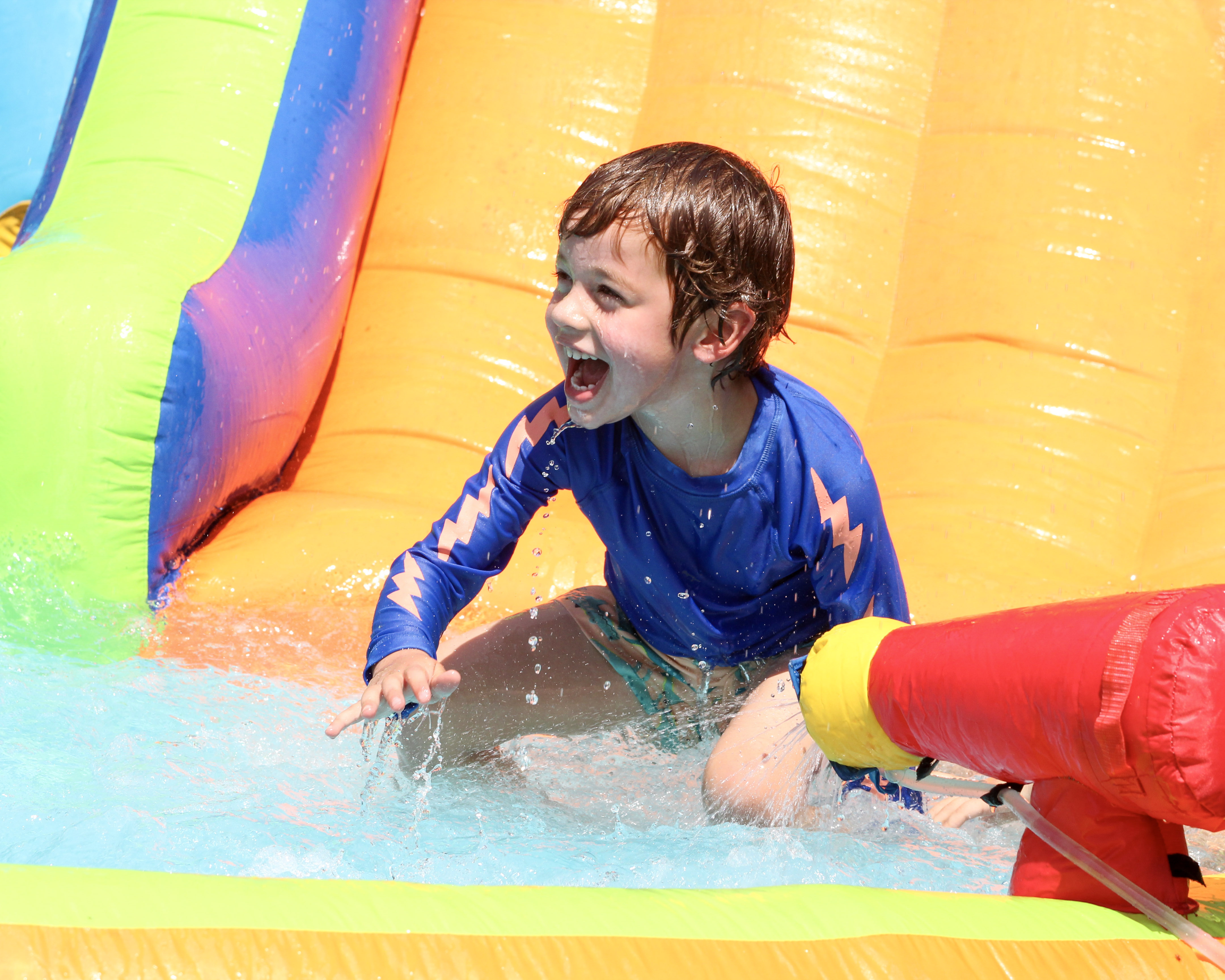
Splash tables, water balloons, slip-and-slides, and simple obstacle courses give preschoolers a chance to build balance, coordination, and body awareness while cooling off. These activities work because they're low-stakes. There's no wrong way to run through a sprinkler or roll a ball back and forth.
At DEAN, Pre-K and Kindergarten campers take part in daily water activities like slip-and-slides and water twister, with swimming and water play always optional so a hesitant camper can join in at their own pace.
4. Simple Maker and STEAM Challenges
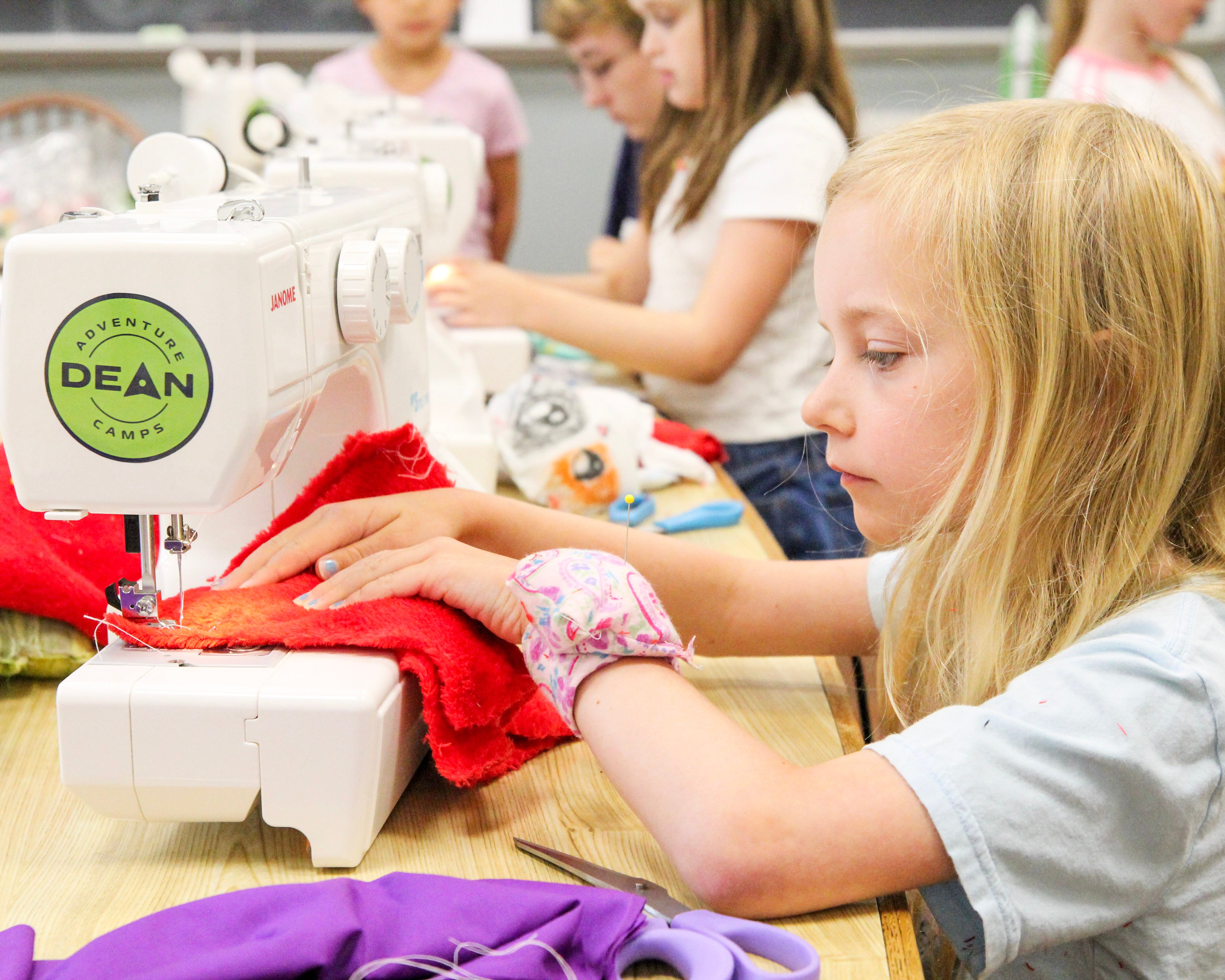
Even very young children can handle basic building and problem-solving tasks when the materials and instructions match their developmental stage. Stacking blocks into a tower, sorting objects by size, or building a simple structure from cardboard pieces introduces early engineering thinking without requiring the fine motor precision older campers have. According to NAEYC's research on playful learning, guided play lets counselors focus a child's activity around a specific learning goal while still preserving the sense of discovery that makes it feel like play. A counselor who joins a block tower and asks what happens with one more piece is teaching balance and cause and effect without turning play into a lesson.
5. Guided Imaginative and Dramatic Play
Dress-up corners, pretend kitchens, and simple storytelling games give preschoolers a low-pressure way to practice language, social turn-taking, and emotional expression. A child working through a pretend scenario with a peer is rehearsing skills they will use in future friendships and conflicts: negotiating roles, taking turns, and reading another child's reaction. Camps that schedule dedicated time for this kind of play, instead of treating it as filler between other activities, are taking early childhood development seriously.
6. Cooperative Games That Build Turn-Taking
Simple group games, from parachute play to basic relay activities, teach preschoolers how to wait their turn, follow a shared set of rules, and celebrate a friend's success. These skills don't come naturally at this age. They're built through repeated, low-stakes practice with a patient adult nearby to help when frustration hits.
A 1:7 counselor-to-camper ratio makes this kind of coaching possible in the moment, rather than after the fact. When a counselor can step in the second a game starts to unravel, a preschooler learns to recover and try again instead of shutting down.
7. Music, Movement Circles, and Group Songs
Singing, simple instruments, and movement games give young children a shared, predictable activity that works for every energy level and every language background. Music also does double duty as a transition tool, helping a group shift smoothly from one activity to the next without the abrupt changes that can unsettle a four-year-old.
Programs that weave these smaller, connective moments throughout the day tend to run smoother than ones that treat the schedule as a series of separate blocks. That kind of intentional pacing is part of what separates a camp built for young children from one that simply lowers the minimum age. For more on what that calibration looks like in practice, how to spot real skill progression at summer camp breaks down the signals worth watching for.
What to Look For Beyond the Activity List
The activities themselves only tell half the story. How a camp runs them matters just as much:
- Small group sizes and a low counselor-to-camper ratio, so a child gets noticed when they're struggling or thriving
- Short, clearly signaled activity blocks that match a preschooler's attention span
- Built-in flexibility for a child who needs to opt out of water play or sit out a game for a few minutes
- Counselors trained specifically for early childhood, not just general camp staff assigned to the youngest group
Parents preparing a Pre-K or Kindergarten camper for their first summer often find it helps to talk through what a typical day will feel like ahead of time. The guide on getting a PreK or Kindergarten camper ready for summer camp covers exactly that groundwork.
Where Activities Like These Fit Into a Full Camp Day
At DEAN Adventure Camps, the Discoverers program for Pre-K and Kindergarten campers builds each of these activity types into a single, predictable day rather than treating them as occasional extras. Art, movement, water play, nature exploration, and simple maker projects rotate through a schedule paced for a five-year-old's attention span, supported by a 1:7 counselor-to-camper ratio and Lead Counselors who are First Aid and CPR certified.
Families near the Main Line can see how that structure comes together at the Haverford campus, where Discoverers is one part of DEAN's full progression from Pre-K through rising 12th grade. Structure for them, simplicity for you starts with the right activities, chosen for the child in front of you rather than the camp's oldest group.