Parents usually hear "school readiness" in the context of kindergarten. The habits that make a five-year-old ready for a classroom, following a routine, working alongside other kids, trying something new without a parent nearby, are the same habits an eighth-grader needs to manage a group project or walk into a new environment with confidence. Summer camp builds social skills and school readiness through mechanisms the school year rarely has room for: sustained play, daily routine, structured teamwork, and repeated chances to try things independently. From Pre-K through 8th grade, that combination does more for a child's readiness than any single summer workbook.
Summer Camp School Readiness Beyond Academic Skills
Readiness gets treated as a literacy and math checklist, but the research says otherwise. The Institute of Education Sciences' practice guide on preparing young children for school, summarized by NAEYC, identifies social-emotional skills and executive function as two of the seven core recommendations for helping children enter elementary school prepared, on equal footing with vocabulary and letter recognition. In practice, that means a child's ability to regulate emotions, follow multi-step directions, and work through a task without giving up matters as much as knowing their letters.
That reframing matters for parents choosing a summer program. A camp that only fills hours with entertainment misses the readiness-building window entirely, while one built around specialty programming, sustained group activities, and consistent daily structure hits it directly.
Play-Based Learning Builds School Readiness Skills
Play does the work of readiness-building. When a Discoverer negotiates who gets the next turn at a maker table, or a group of Explorers decides together how to finish a project, they practice the exact skills that show up on a kindergarten or first-grade readiness checklist: sharing attention, managing frustration, and problem-solving with another person's input.
What this looks like across DEAN's Discoverers program for Pre-K and Kindergarten campers:
- Turn-taking and sharing materials during hands-on projects
- Using words instead of physical reactions to express frustration
- Recognizing and responding to a peer's feelings
None of this happens through a worksheet. It happens because the day is structured around doing things with other children, not near them.
Daily Camp Routine and Executive Function Growth
Executive function, the set of skills behind planning, self-control, and following through on a task, develops through repetition. Kids do not learn to manage a routine by hearing about it once. They learn it by living the same sequence of expectations day after day until it becomes automatic.
According to the Child Mind Institute, establishing a consistent routine is one of the most effective tools for building the organizational habits kids carry into the school year, and the effect compounds the more consistently that routine repeats. A camp day built around predictable structure, arrival, activity blocks, meals, transitions, does exactly that, and it does it for ten straight weeks rather than a handful of scattered school mornings.
At DEAN, that structure runs from 7:30 AM to 5:30 PM with hot breakfast, lunch, and snacks built in. Parents get one flat rate and no logistics to manage; kids get a routine steady enough to build habits on.
Teamwork and Social Skills Across DEAN's Specialty Programs
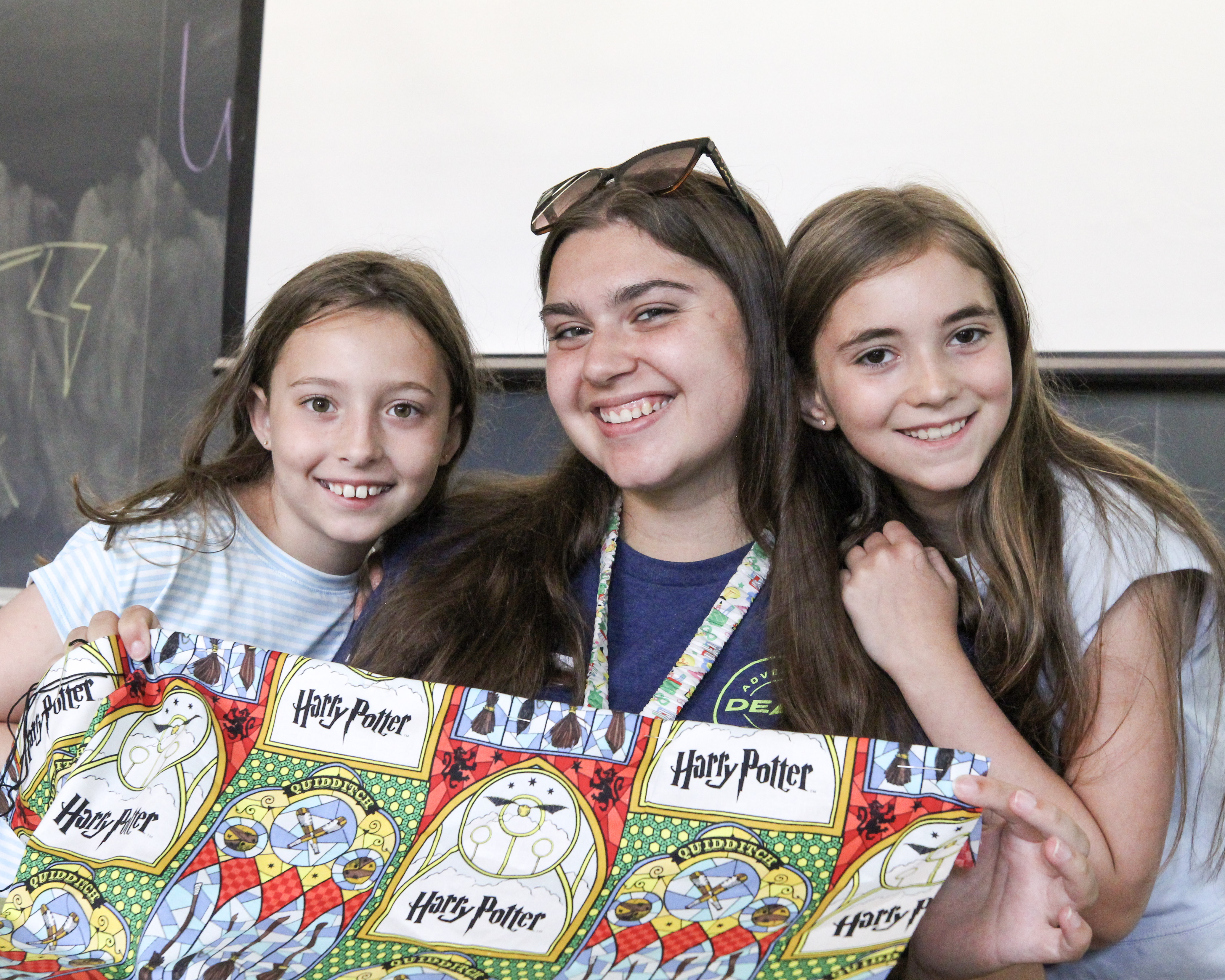
Group work sits at the center of every specialty program at camp, each one built around campers accomplishing something together that none of them could finish alone.
A few examples of what teamwork looks like in practice:
- Culinary Arts: one camper measures, another mixes, a third plates, and the group coordinates timing without constant adult direction
- Robotics and Innovation Lab: campers troubleshoot a shared build, assign roles, and adjust when the first approach fails
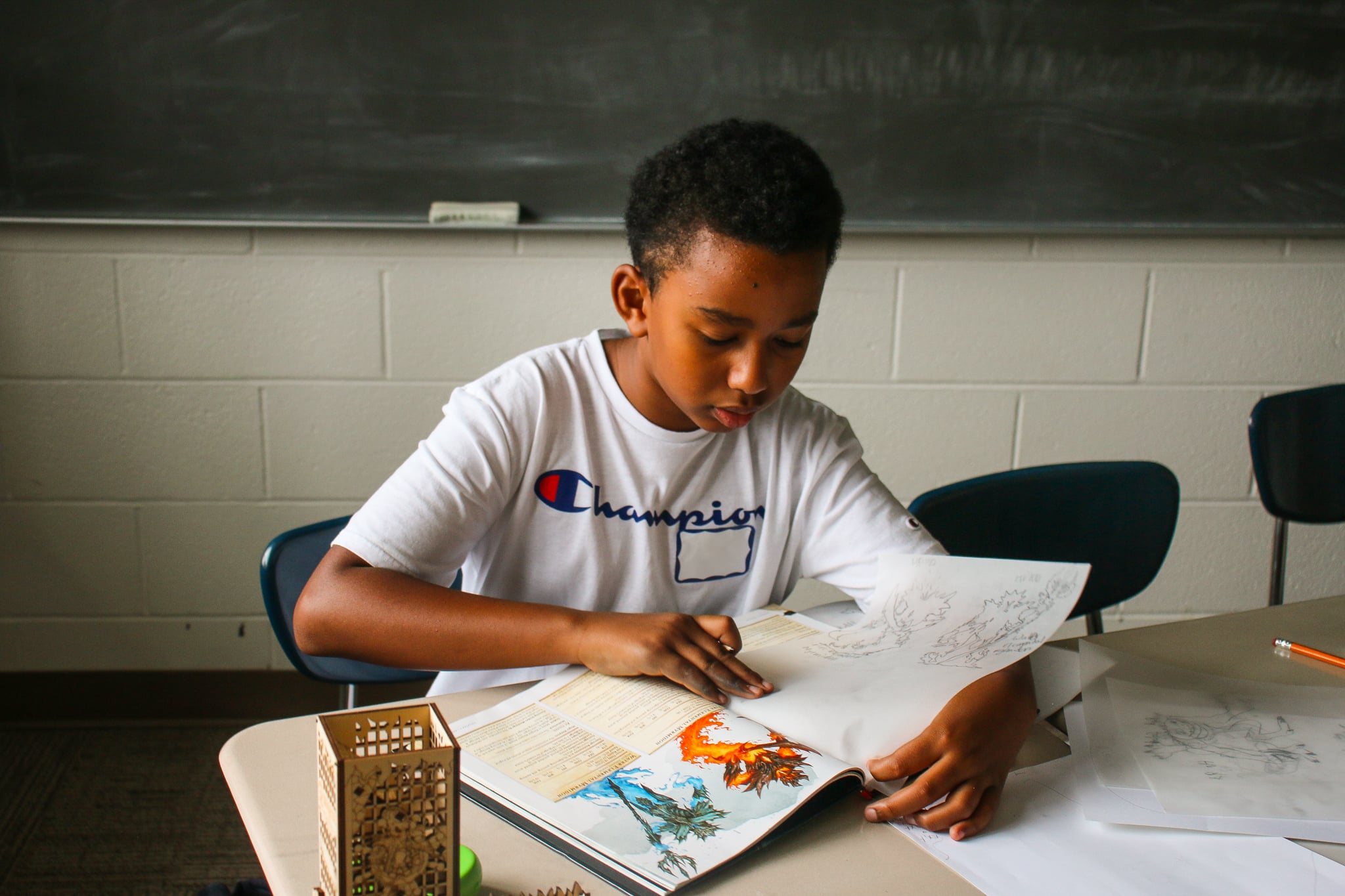
- Woodworking: older campers mentor younger ones through a shared project, practicing patience and clear instruction
Children who struggle with group work in a classroom often find it easier at camp, because the task itself is the focus rather than the social dynamic. Cooperation develops through the doing, not through a lesson about cooperation.
Guided Independence From Pre-K to 8th Grade
Independence is a skill that has to be practiced under supervision before a child can carry it out alone. At a 1:7 counselor-to-camper ratio, DEAN's Lead Counselors, all First Aid and CPR certified, can step back enough to let a camper attempt something new while staying close enough to help if it goes sideways.
That balance looks different by age: a Discoverer might try zipping their own backpack for the first time, while a Navigator in grades 5 through 8 leads a small group through a multi-day build with minimal adult input. Both are the same mechanism at different scales, a supported attempt at something the child has not fully mastered yet, with a trusted adult nearby rather than standing over every step.
Parents who want a closer look at how these skills build specifically around friendships and peer dynamics by grade can see the full breakdown in DEAN's guide to social skills by age band, which pairs well with the readiness focus here.
The Summer Camp That Builds School Readiness for Every Grade
Readiness compounds over years. Regulation, routine, cooperation, and independent effort build on each other from Pre-K through 8th grade and beyond, and camp is one of the few environments built to practice all four at once, every day, for weeks at a time.
DEAN Adventure Camps is structured around exactly that kind of repetition, with 30+ hands-on specialty programs, extended-day coverage, and a multi-year Journey model that lets a camper build these habits year over year, from their first summer as a Discoverer through their final one as a Navigator. At DEAN, confidence through doing is built into the