By week three of camp, plenty of parents notice the same thing: the kid who was thrilled in June is dragging his feet in July. The cause is usually the schedule, not the child. Traditional summer camp challenges tend to come from the same source, a structure built around rotation instead of investment, where kids sample a little of everything and master none of it.
Specialty day camps take a different approach. Instead of a new activity every 45 minutes, kids spend extended blocks of time on something they chose, with people who know them, working toward something they can point to when the summer ends. Here's what that structure changes.
How Traditional Camp Schedules Affect Childhood Development
Rotation-based programming has a built-in ceiling. A camper gets just long enough at an activity to start finding a rhythm, then it's time to move to the next station. Multiply that across eight or nine weeks and a child never gets far enough into anything to feel like they're good at it. The <a href="https://www.acacamps.org/article/camping-magazine/science-behind-magic-camp">American Camp Association's research on camp's developmental impact</a> points to mastery experiences, the moments a child pushes through something hard and comes out the other side, as a key driver of camper motivation and follow-through. A 45-minute rotation rarely gets a camper to that moment.
9 Ways Specialty Camps Boost Childhood Engagement All Summer
1. Camper Choice Over Daily Activities
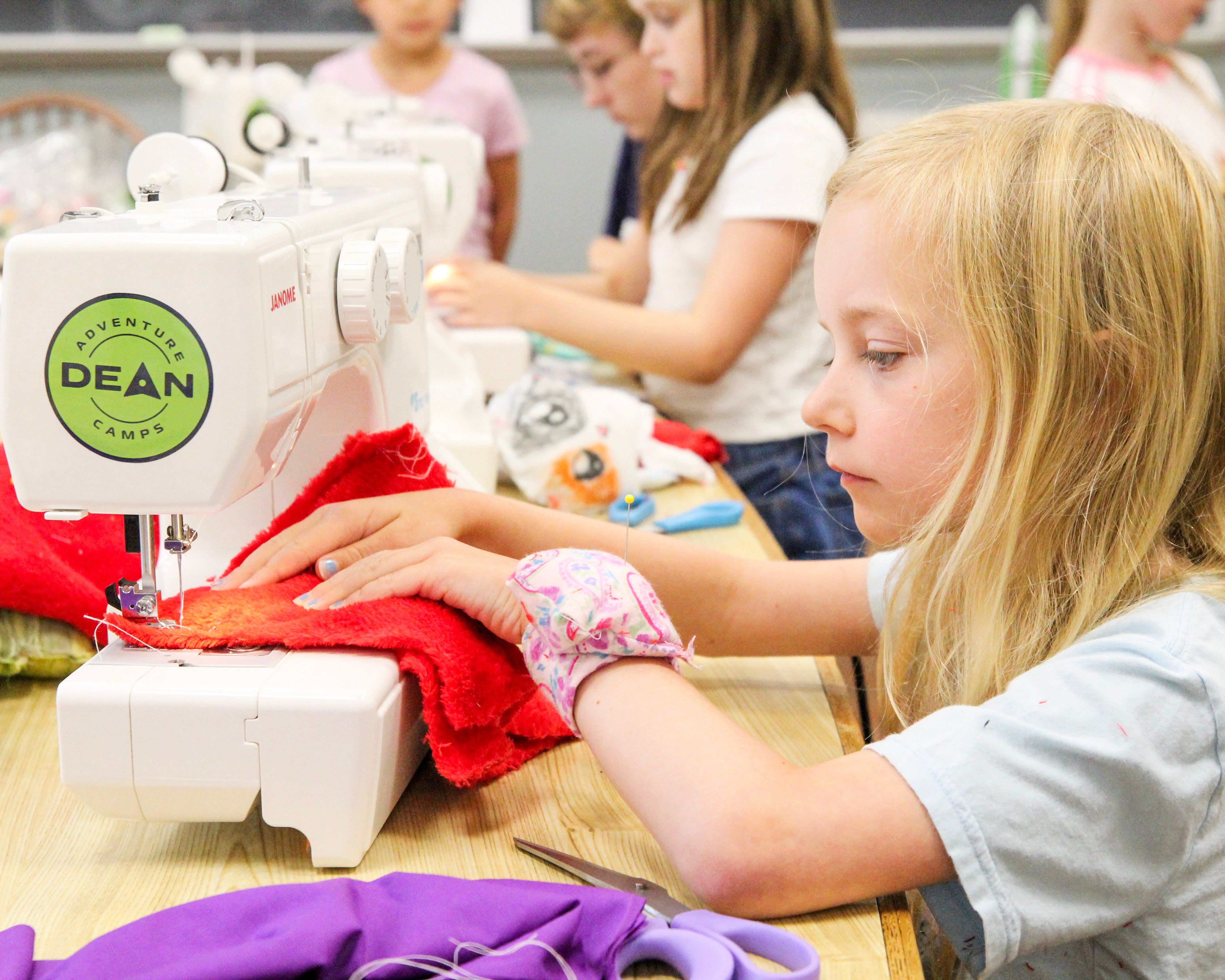
Kids who pick their own specialty track show up differently than kids assigned to a rotation someone else built. Choice-driven programming taps into something specific in child development. <a href="https://www.naeyc.org/resources/position-statements/dap/principles">NAEYC's research on how children learn</a> points to agency, the ability to make and act on choices about what to do, as one of the clearest drivers of sustained motivation, and notes that this opportunity needs to be widely available to all children, not treated as a reward for finishing other tasks first. At DEAN, campers choose from more than 30 hands-on <a href="https://deanadventurecamps.com/dean-experience">specialty programs</a>, from Robotics to Culinary Arts to Machine Sewing, so the day is built around what they want, not what fills a schedule.
2. Extended Time to Build Skill in One Activity
Specialty camps trade the 45-minute rotation for extended blocks, sometimes a full day, sometimes a full week, spent on one focus area. That's the difference between watching a demonstration and building the thing firsthand. A woodworking camper who gets three hours instead of thirty minutes finishes with a birdhouse, not a half-cut piece of pine and a promise to try again next year.
3. Peer Groups Matched to Developmental Stage for Stronger Social Skills
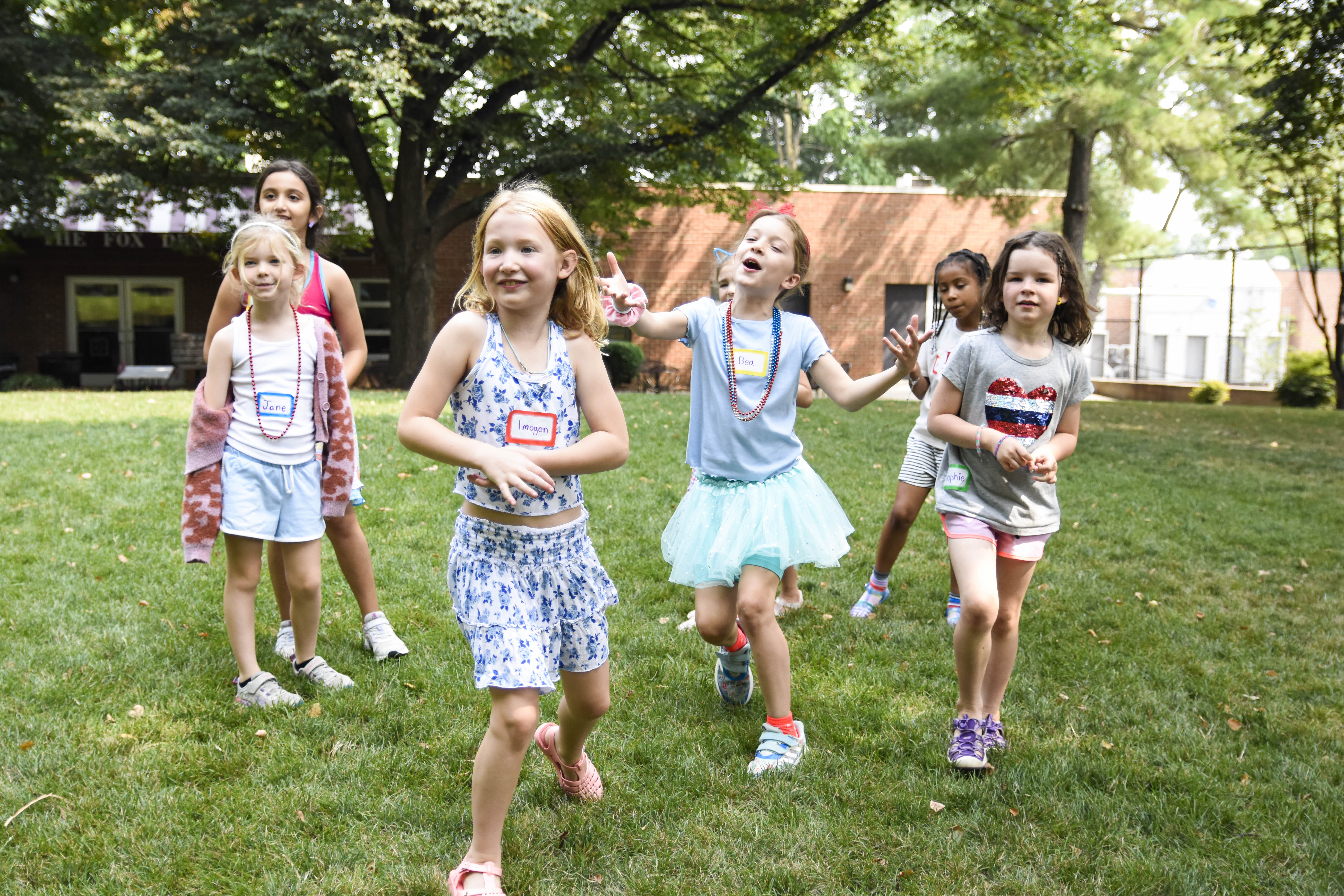
Traditional camps often mix ages loosely by cabin or bus route. Specialty camps tend to group by developmental stage instead, so a first grader isn't competing for attention with a fifth grader in the same activity. DEAN's tier system runs from Discoverers in Pre-K and kindergarten through the DEAN Fellowship for rising ninth and tenth graders, which means campers are working alongside peers at a comparable stage the entire summer. This structure supports the kind of peer dynamics <a href="https://deanadventurecamps.com/blog/10-social-skills-benefits-of-summer-camp-for-kids">detailed in DEAN's research on social skills development</a>, where age-matched groups create more equal social footing.
4. Counselors Who Know Every Camper by Name
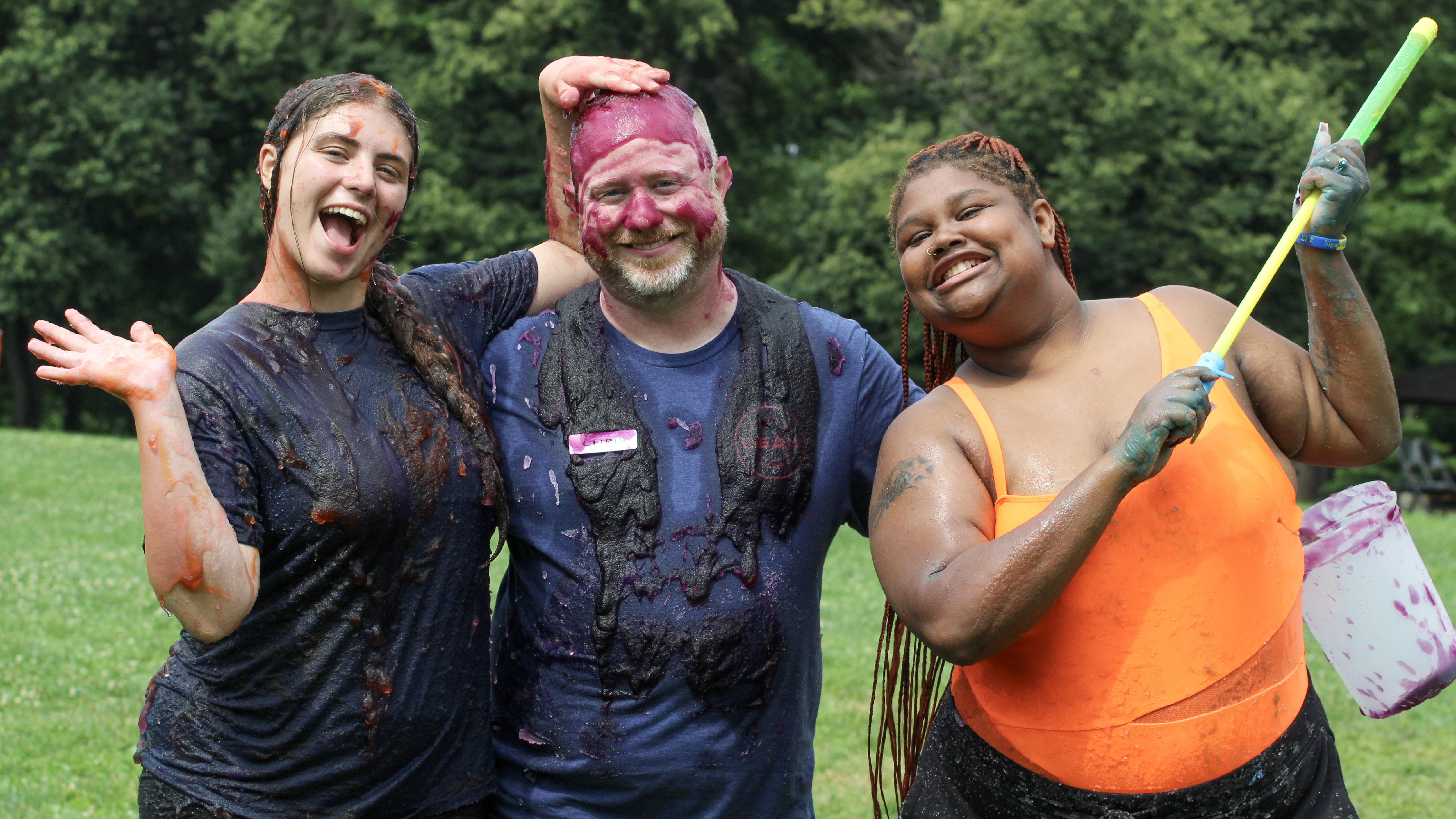
A 1:7 counselor-to-camper ratio changes what a counselor can notice. It's the difference between managing a group and knowing that one particular kid gets nervous before a new challenge, or that another one needs fifteen minutes alone before rejoining the group. Every counselor knows your child's name, and that recognition is part of what keeps a camper coming back to an activity instead of checking out of it.
5. A Finished Project to Show for the Summer
Confidence through doing means something concrete: a sewn tote bag, a working robot, a plated dish, a finished short film. Specialty camps are structured so kids walk away with an artifact, not just a memory. That tangible outcome is part of what separates a specialty track from general recreation, and it's also what a camper wants to talk about at dinner.
6. Interest-Led Programming Instead of a Bell Schedule
Traditional day camp often mirrors the school calendar it's supposed to be a break from: bells, transitions, a set block for this, a set block for that. Specialty programming flips that. A camper interested in Innovation Lab spends sustained time inventing and iterating, not shuffling between a station they like and three they're indifferent to. <a href="https://deanadventurecamps.com/blog/specialty-camp-vs.-day-camp-which-is-right-for-your-child">DEAN's comparison of specialty and traditional day camp formats</a> breaks down how that structural difference plays out across a full summer.
7. Hands-On, Outdoor Programming as a Screen-Time Alternative
Kids who spend the school year on screens often arrive at camp with short attention spans for anything that isn't fast and passive. Specialty and outdoor education programs built around building, cooking, sewing, and inventing pull kids into slower, tactile work that competes with screens on its own terms: it's satisfying, it has a clear payoff, and it holds attention because the child is doing the thing, not watching it happen.
8. A Camp That Grows With the Camper Year to Year
One of the clearest failures of traditional camp is the ceiling: kids age out, or the program stops being interesting once they've done every activity twice. DEAN's Journey model runs from Pre-K through rising 12th grade, so a camper who starts in Discoverers can stay through Explorers, Achievers, Navigators, and the <a href="https://deanadventurecamps.com/grow-with-dean">DEAN Fellowship</a> without switching camps or starting over with an unfamiliar program. Continuity matters more than many parents expect. Camps a child ages out of by third grade force a reset every few summers.
9. Fewer Logistics for Parents, Less Stress for Kids
A camper picks up on a parent's stress about pickup times, forgotten lunches, and add-on fees. Longer days, lunch included, less to think about helps parents, and campers absorb that calm too. A predictable schedule with no forgotten lunches or last-minute logistics means a steadier pickup, and kids notice the difference.
Choosing Among Summer Camp Alternatives This Year
Traditional summer camp challenges usually trace back to structure, not to the kids themselves. A rotation-based schedule asks children to sample everything and commit to nothing, and much of the disengagement follows from there. Specialty day camps solve that by giving kids ownership, time, and a reason to show up focused. At Haverford College and The Lawrenceville School, DEAN Adventure Camps builds each day around specialty programming, small counselor ratios, and a model that grows with a child year over year. We don't fill days. We shape them, and for a lot of families, that's the difference between a summer their kid tolerates and the summer that builds something lasting.