Every camp brochure says the same three things: hands-on, age-appropriate, and fun. None of that tells a parent whether a program will work for their five-year-old, or their eleven-year-old, or both. Good summer camp selection starts with matching the program's structure to what a child needs at that specific stage.
The answer looks different at four years old than it does at twelve. A Pre-K camper needs short activity blocks and a familiar face nearby. A rising seventh grader needs choice, challenge, and a peer group that takes them seriously. Camps that serve a wide age range well are not applying one formula. They are adjusting counselor ratios, activity length, and program design at every level.
Why Summer Camp Selection Depends on Your Child's Developmental Stage
The American Camp Association notes that day camp programs typically welcome children starting around age four, and that the right fit depends less on a camp's reputation and more on matching program to a child's personality and maturity level. A checklist that works for choosing an overnight camp for a ten-year-old will miss the details that matter for a four-year-old attending their first day camp.
That means the evaluation process should start with the child's stage instead of the camp's marketing copy. Three questions apply at every age:
- How much structure does this child need to feel secure, and how much choice do they need to feel engaged?
- What is the counselor-to-camper ratio, and does it match the amount of individual attention this age group requires?
- How does the program handle a hard day: a meltdown, a homesick moment, a conflict with a peer?
Pre-K and Kindergarten: What Age-Appropriate Summer Programs Look Like
Discoverers-age campers, roughly Pre-K through kindergarten, are still building the stamina for a full day away from home. Age-appropriate summer programs at this stage share a few concrete markers:
- Shorter activity blocks, often 20 to 30 minutes, with built-in transitions instead of abrupt switches
- A high adult-to-camper ratio, so a crying or overwhelmed child gets attention within minutes, not after the group moves on
- Predictable daily routines: the same drop-off spot, the same snack time, the same closing circle
- Bathroom breaks, rest periods, and pacing built into the schedule rather than squeezed between activities
We covered the specific signs to watch for in 8 Signs a Summer Camp Fits Very Young Children, which walks through what to observe during a camp visit or open house. The short version: at this age, structure is what makes a program work. A program that feels loosely organized for a ten-year-old will feel unsettling for a five-year-old.
Grades 1 Through 4: Building Independence Through Structured Choice
Once children move into Explorers and Achievers territory, first through fourth grade, what they need from a program changes. These campers can handle more independence, but they still benefit from a framework around it. Camp suitability for kids at this stage often comes down to whether the program offers structured choice: a supportive framework that still gives a child room to decide.
Markers to look for:
- Specialty rotations that let a child sample several activities across the summer instead of committing to one for eight weeks
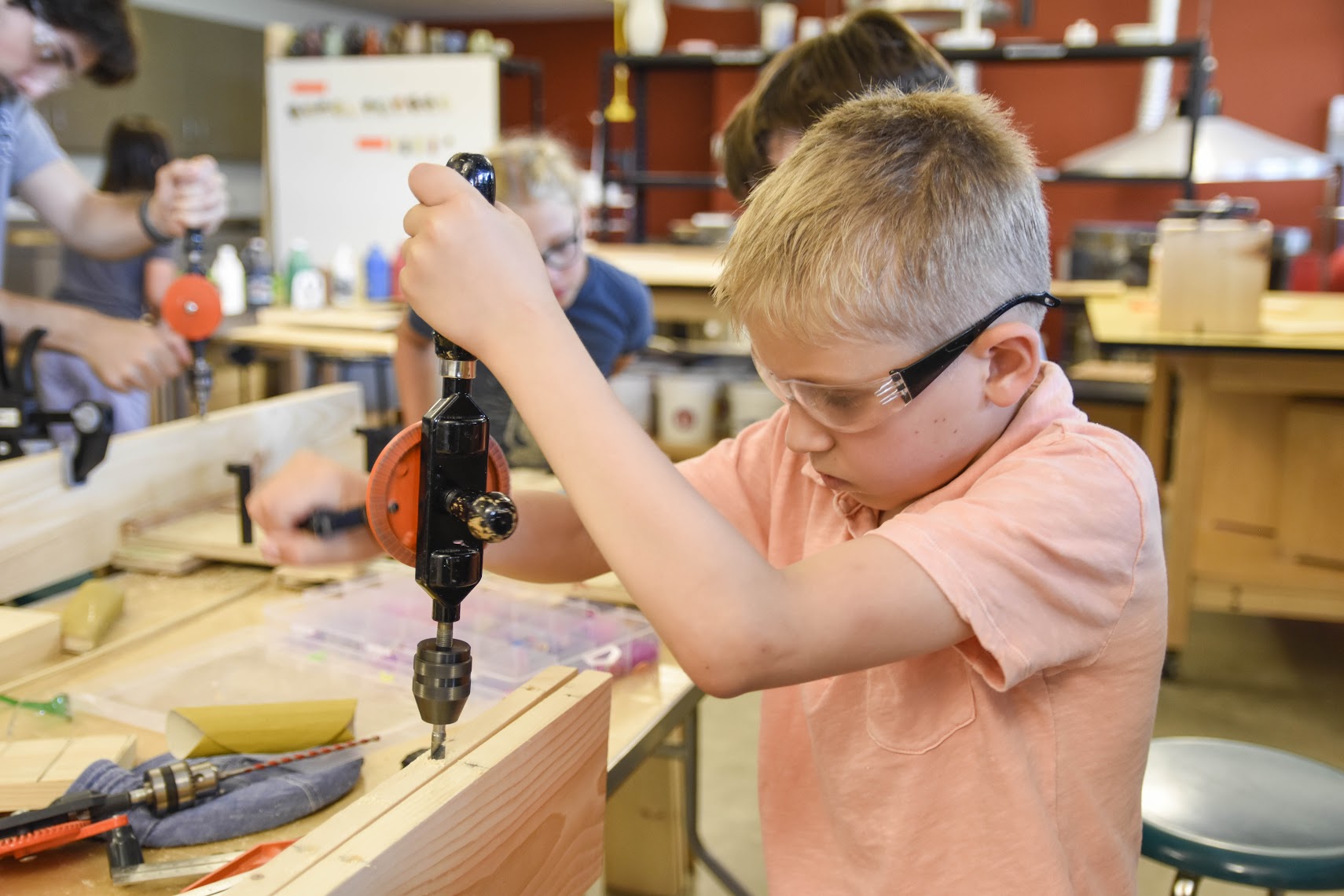
- Skill-building that's paced to succeed, not just occupy time; a woodworking project a seven-year-old can finish and take home matters more than one designed for a twelve-year-old
- Counselors trained to notice which kids need encouragement to try something new and which need space to work independently
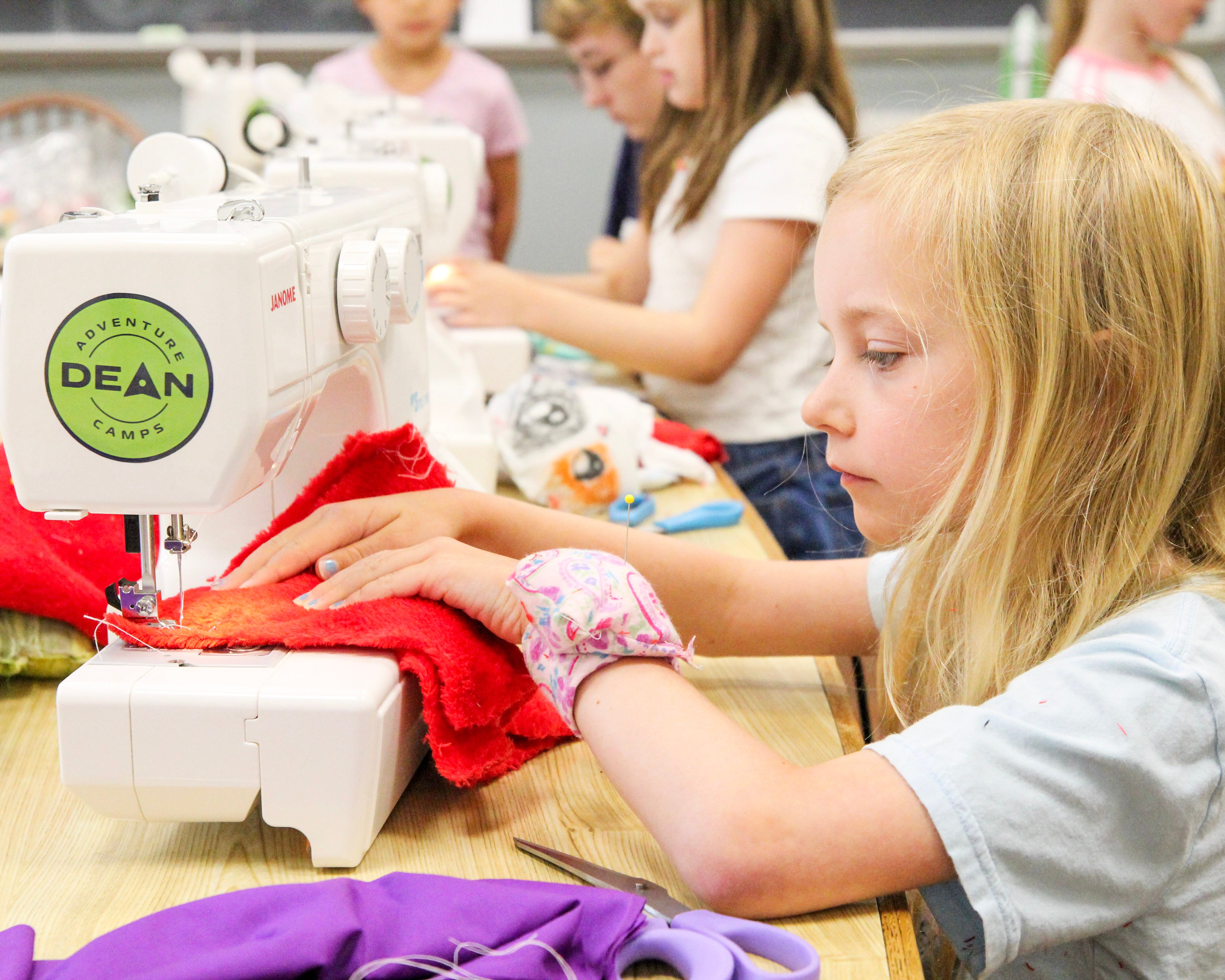
The American Academy of Pediatrics points out that children this age develop confidence through opportunities to solve problems and see their own efforts produce results, which is a useful lens for evaluating any camp's activity design. A program built around finishing something with their own hands, whether that's a sewn project, a recipe, or a small robotics build, gives a first or third grader exactly that kind of evidence. That's confidence through doing.
Grades 5 Through 8: Camp Suitability for Kids Entering Middle Childhood
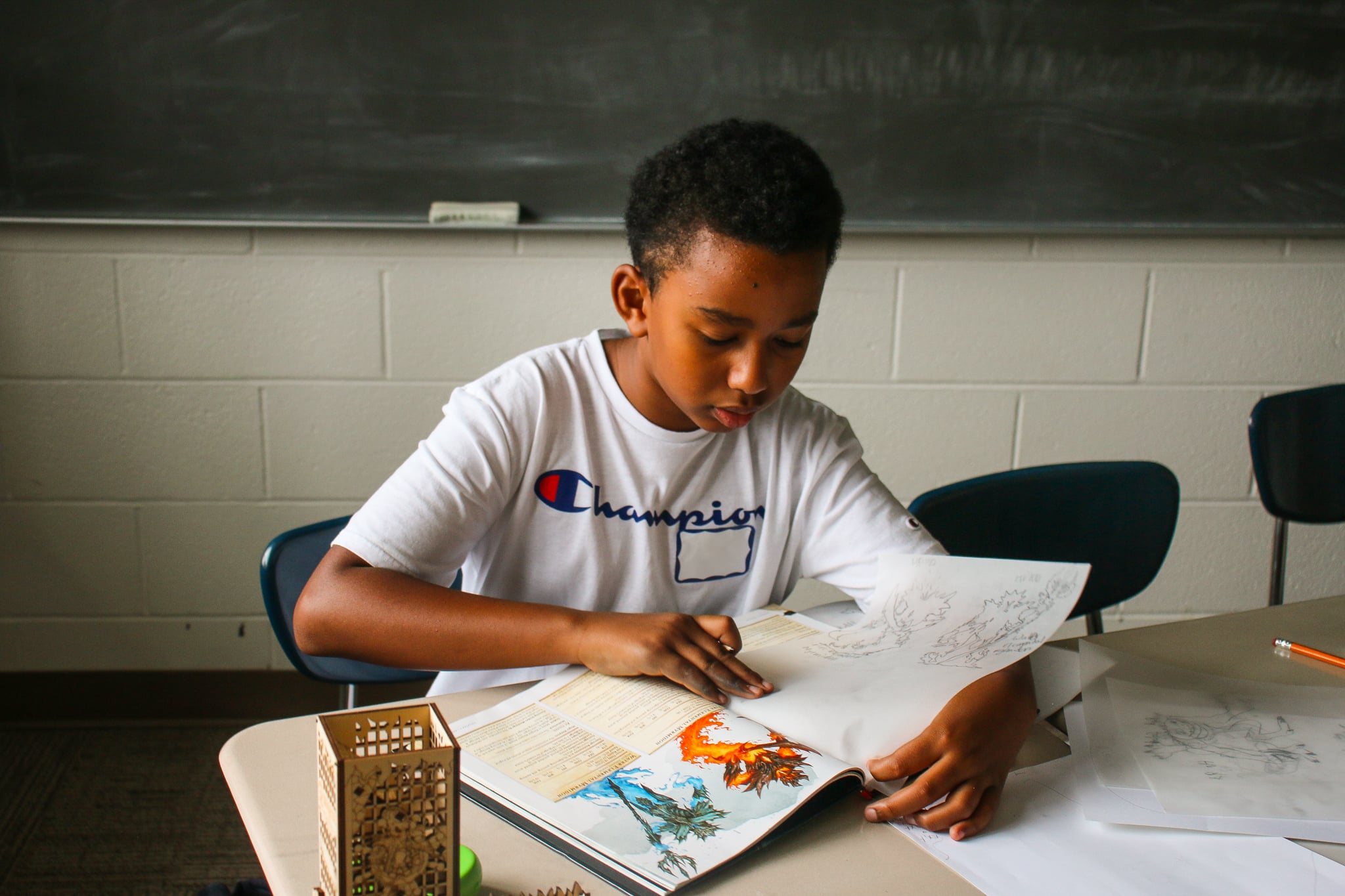
Navigators-age campers, fifth through eighth grade, are past the point where novelty alone holds their attention. They want to get good at something, and they notice when a program treats them like younger kids. Summer camp selection for this age group should weigh:
- Whether specialty tracks build far enough to show measurable skill progression across a session, not just a repeated intro-level activity
- How much autonomy campers get in choosing their schedule and their group
- Whether counselors are trained to manage the social dynamics that come with this age: changing friend groups, self-consciousness, and the occasional attitude
We wrote more about what skill progression looks like across ages in How to Spot Real Skill Progression at Summer Camp, which breaks down the difference between a program that repeats the same activity every summer and one that builds on what a camper already knows.
Evaluating Program Structure Beyond Age Labels
Age tier is only the starting point. A few structural factors matter at every stage and are worth asking about regardless of a child's grade:
- Schedule coverage: does the day run long enough to cover a full work day, or will a parent need to patch together before- and after-care?
- Meals and logistics: are meals included, or is that one more thing on a parent's morning list?
- Staff training: are lead counselors certified in First Aid and CPR, and what is the actual ratio of counselors to campers, not just the number listed on the website?
At DEAN Adventure Camps, program structure is built around these questions from the ground up. The DEAN Experience outlines how age-tiered programming, a 1:7 counselor-to-camper ratio, and a 7:30 AM to 5:30 PM day with meals included come together across all 30-plus specialty programs, from Discoverers through the DEAN Fellowship. Every Lead Counselor is First Aid and CPR certified, and every child's day is shaped around what their specific stage needs.
Finding the Stage-Right Fit This Summer
Summer camp selection gets easier once a parent stops looking for the single best camp and starts looking for the best fit at this stage. Routine and warmth carry a Pre-K camper through the day. By third grade, a child is ready for structured choice and a project worth finishing. Seventh graders want something different: depth, autonomy, and a group of peers who take their interests as seriously as they do.
DEAN was built around that idea: children who grow with the program from Pre-K through rising 12th grade move through Discoverers, Explorers, Achievers, and Navigators, each shaped for where they are, with the option to continue building through the DEAN Fellowship. That's the summer that builds something lasting, one stage at a time.


%20-%20Soccer%20-%201.jpg)