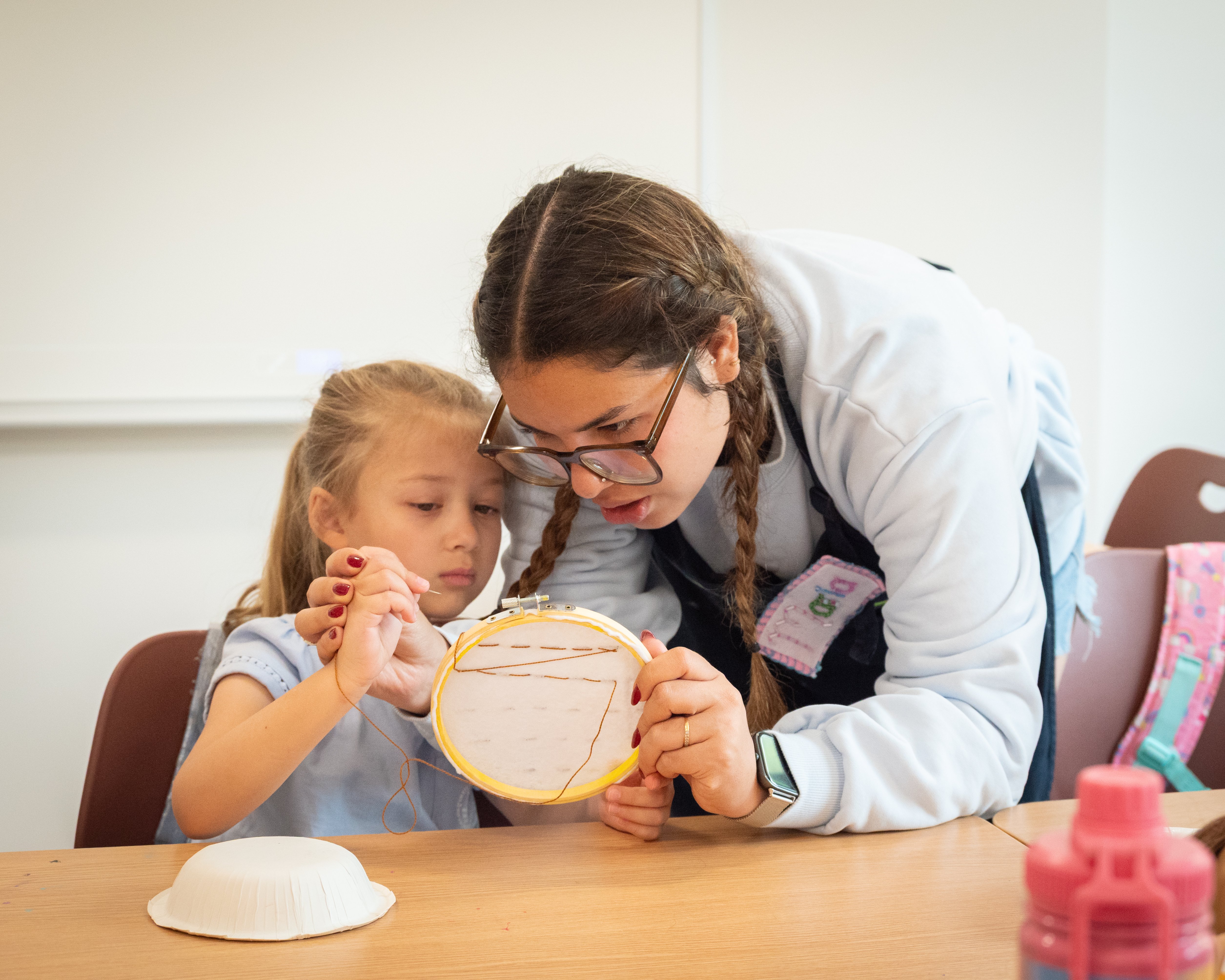
A first summer camp is a bigger decision than it looks. For a three, four, or five-year-old, camp is often the longest stretch of time they will spend away from a parent in an unfamiliar setting, with new adults and a schedule they did not build themselves. Evaluating summer camps for young children means looking past the activity list and asking whether the daily structure, staffing, and routine actually fit a preschooler's needs. This guide walks through what to check before enrolling, so the decision holds up once the first day arrives.
Readiness Signs Before Your Child's First Camp Summer
Readiness for a first camp experience has less to do with age and more to do with how a child handles separation and unfamiliar routines. The American Camp Association's readiness guidance points parents toward a few concrete questions: has the child had positive experiences away from home, do they talk about camp with any interest, and can parents speak about the upcoming summer with confidence rather than anxiety.
A few practical markers to watch for in a three to five year old:
- Comfortable separating from a parent for a full morning or afternoon at preschool, a playdate, or a relative's house
- Able to communicate basic needs to an unfamiliar adult, such as needing the bathroom or feeling tired
- Shows curiosity about new activities rather than resistance to anything unfamiliar
- Naps or rest periods are stable enough to handle a full day away from home
None of these need to be perfect. A well-run preschool camp is built to support a child who is still working on some of them, provided the program has the staffing and structure to back that up.
Daily Structure That Suits Three, Four, and Five Year Olds
Preschool-age campers do best with a schedule that is predictable but not rigid. Long unstructured blocks lead to overstimulation, while an overly packed day leaves no room for the transitions young children need. Look for camps that build in regular breaks, shorter activity rotations than older groups, and consistent daily patterns like the same wake-up song, the same line-up spot, or the same closing circle.
DEAN's Discoverers program for Pre-K and Kindergarten campers is built around this age group specifically, with activity blocks sized for shorter attention spans and built-in rest time. For a closer look at what a typical day of activities looks like at this age, DEAN's post on summer camp activities for preschoolers breaks down the kinds of sensory and hands-on projects that work best for three to five year olds.
Counselor Training and Staffing Ratios to Confirm
Staffing is the single detail with the strongest influence on how a preschooler's first camp summer goes. The National Association for the Education of Young Children's program standards call for appropriate group sizes and staff-to-child ratios as a core marker of program quality, particularly for younger age groups where individual attention matters.
Before enrolling, parents should confirm:
- The staff-to-camper ratio for the preschool age group specifically, not a camp-wide average
- Whether Lead Counselors hold current First Aid and CPR certification
- How consistent staffing is day to day, since a rotating cast of unfamiliar adults is harder on a young child than one steady counselor
- What training counselors receive on managing separation anxiety and transitions
DEAN maintains a 1:7 counselor-to-camper ratio across every tier, with Lead Counselors certified in First Aid and CPR. DEAN's post on green flags of a well-run summer day camp goes further into the staffing and safety markers to watch for during a tour.
Meals and Routine Details Behind the Activity List
For a preschooler, hunger and fatigue hit faster and more visibly than they do in an older camper. A hungry four-year-old at 11 AM is not going to enjoy an art project no matter how well it is designed. Ask camps directly:
- Are meals and snacks included, or do families need to pack lunch daily
- How many snack breaks happen across a full day
- What the rest or quiet-time policy looks like for younger groups
- What the drop-off and pickup process is, and how it is handled if a child is upset
DEAN includes hot breakfast, a full lunch, and multiple snacks daily as part of one flat rate, with extended coverage from 7:30 AM to 5:30 PM. Every camper also receives a Welcome Pack on the first day, a small, familiar touch that helps ease a preschooler into a new environment.
A Checklist for Evaluating Preschool Camp Options
Before signing up, a short list of direct questions can clarify more than a brochure ever will:
- What is the staff-to-camper ratio for the preschool age group
- Are Lead Counselors First Aid and CPR certified
- What does a typical daily schedule look like, hour by hour
- Are meals and snacks included, and how many breaks happen per day
- How does the camp handle a child who is having a hard time separating
- What happens if a family is not happy with the experience
That last question often gets skipped, but it says the most about how a camp handles a hard day. DEAN backs every enrollment with a happiness guarantee: if a family is not satisfied, DEAN will fix it or refund tuition. Safe enough to explore, structured enough to thrive, is the standard a first camp experience should be measured against.
Choosing a First Camp That Can Grow With Your Child
A first summer camp does not need to be the only camp a family ever considers, but it helps to choose one that can scale as a child gets older. DEAN's Discoverers program serves as the entry point into a multi-year progression from Pre-K through rising 12th grade, so families are not starting the search over every summer. Every counselor knows your child's name, from the first drop-off through the last pickup, and that consistency is part of why families come back the following summer.
Families with specific questions about enrollment, schedules, or locations can find detailed answers on DEAN's FAQ page.