There's a moment many parents recognize: your kid hits fifth or sixth grade, and suddenly the camp that worked perfectly at age eight doesn't quite fit anymore. They're not done with camp, but they're done with certain kinds of camp. They want something that takes them seriously. They want to make real decisions, lead real projects, and leave with something to show for it.
That's the gap most summer programs weren't designed to fill. DEAN Adventure Camps was built around it..
What's Different About The 5th-8th Grade Age Group
Middle schoolers aren't just bigger kids. Developmentally, they're in a genuinely distinct phase. Research published in the National Academies of Sciences' review of adolescent development describes early adolescence as a period when young people are actively constructing their identities, seeking autonomy, and developing the capacity for self-direction. The question "Who am I?" starts competing with "What can I make?" for their attention. Both questions deserve serious answers.
Programs designed for elementary-age campers often fall flat with 5th graders and above. The structure that felt supportive at age seven can feel suffocating at twelve. The guided project that thrilled a 2nd grader doesn't give a 7th grader enough room to think.
What this age group thrives in is challenge-based, goal-driven structure where the camper is the one doing the deciding.
DEAN Navigators: Built for 5th–8th Graders
DEAN Navigators, DEAN's program for rising 5th through 8th graders, was designed with that reality in mind. Every day is structured around four core elements:
- Self-directed projects where campers set their own goals and manage their time
- Challenge-based learning that requires designing solutions, not following instructions
- Systems thinking so campers understand how parts connect and decisions have consequences
- Student-driven goals where ownership of learning sits with the camper, not the counselor
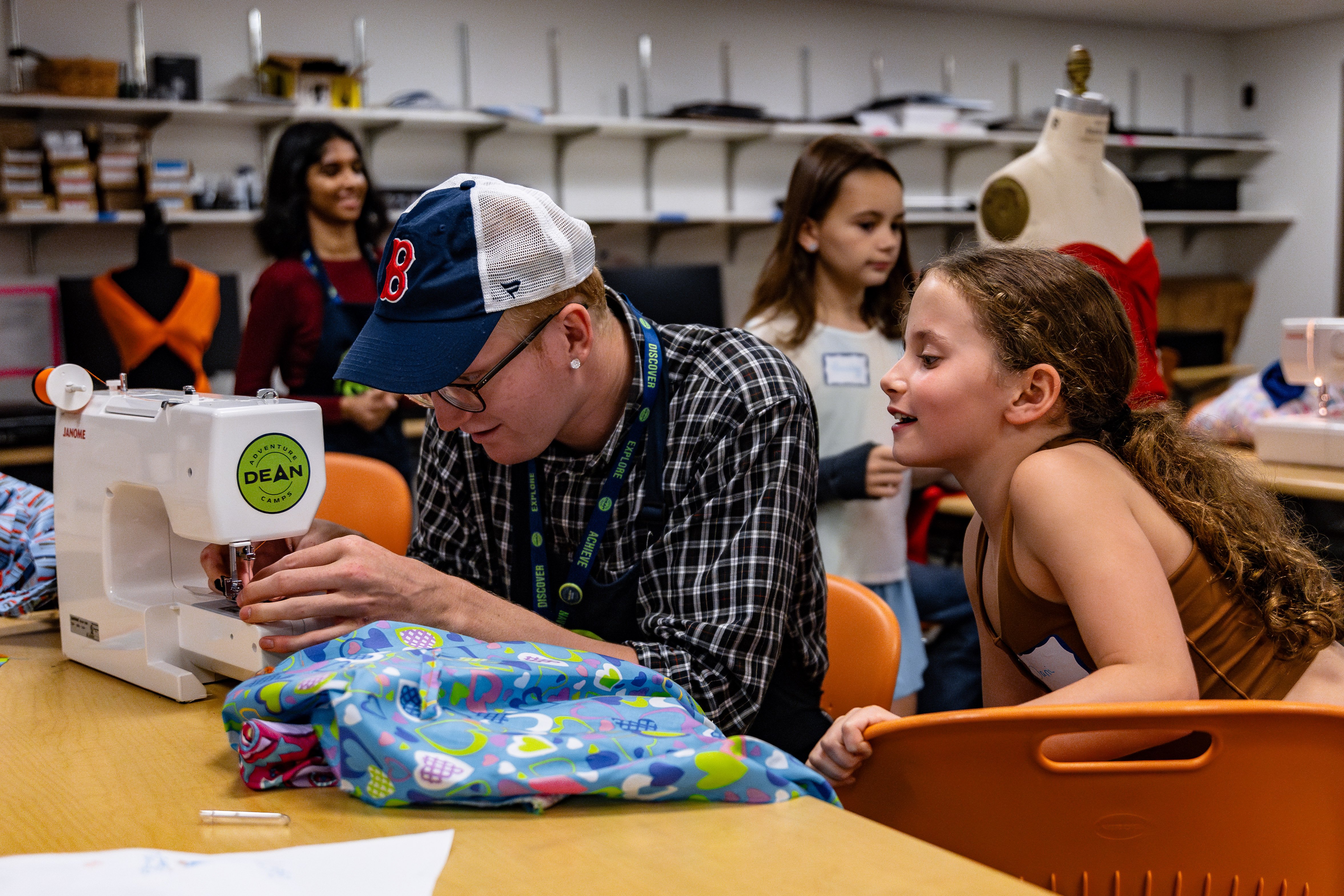
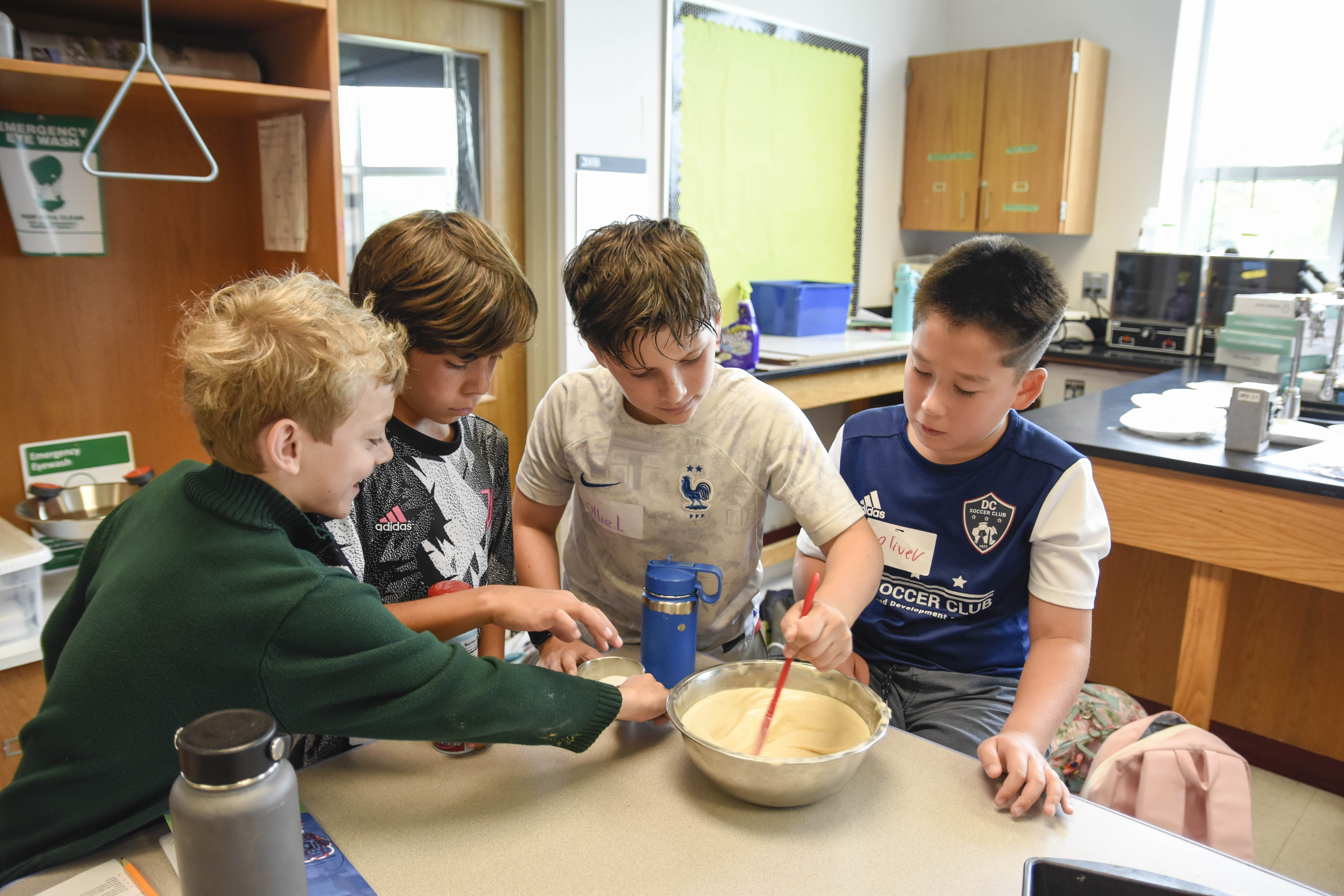
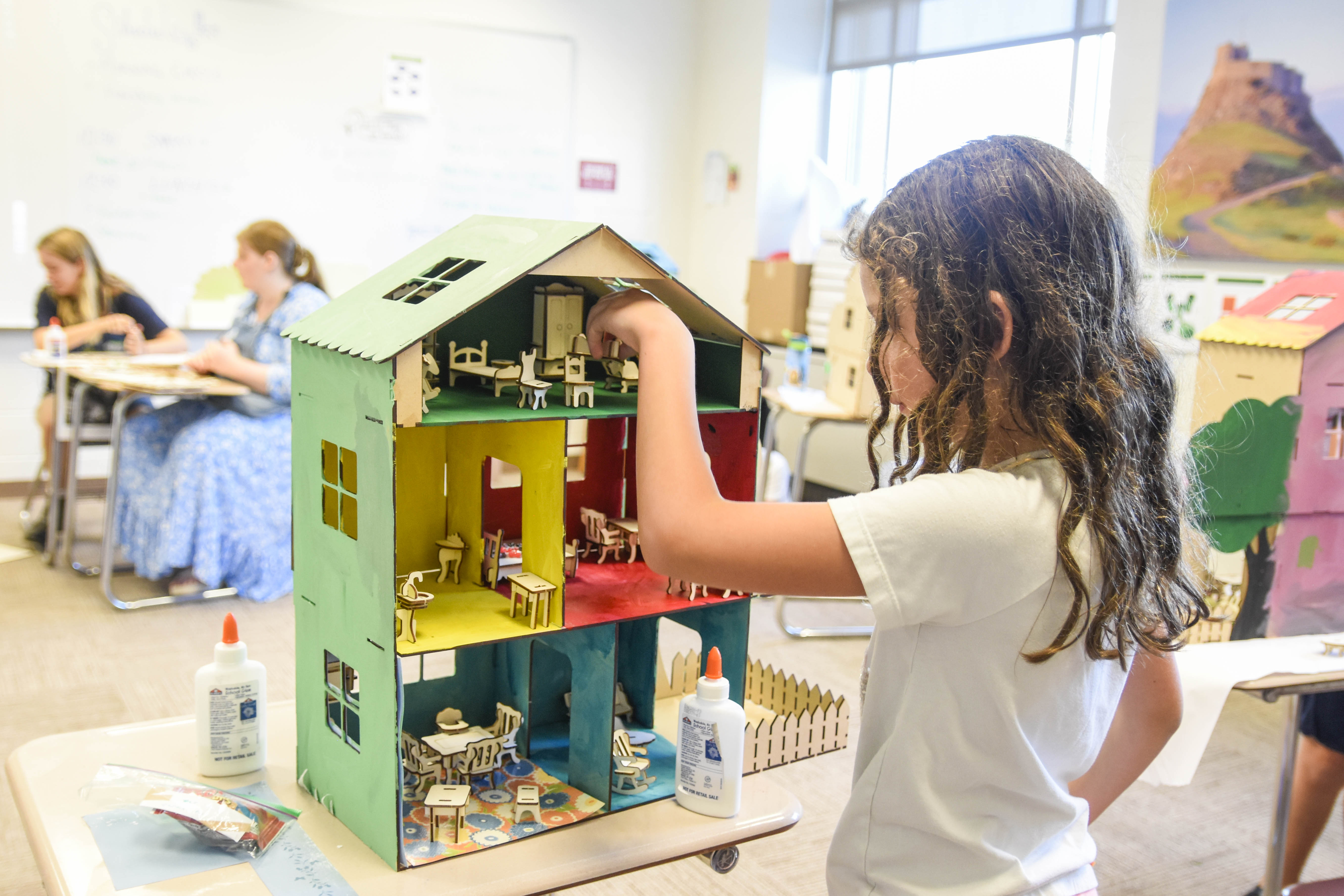
In programs like Woodworking, Culinary Arts, Machine Sewing, Robotics, Innovation Lab, and Maker Space, Navigators aren't following a step-by-step template. They're designing multi-day projects, adapting when things don't work, and presenting what they've built. Counselors facilitate rather than direct, a distinction that matters enormously to a kid who is ready to trust their own judgment.
What Campers Actually Walk Away With
By the end of a Navigators summer, campers have typically:
- Set and managed personal goals over a sustained period
- Led team projects and navigated group dynamics
- Rebuilt something that failed the first time
- Contributed to discussions, given feedback, and received it
- Made something real that they're proud of
The confidence that comes from that kind of summer isn't the confidence of participation ribbons. It comes from having solved a genuine problem with genuine tools and genuine stakes. Make something real.
The Research Behind Why This Works
The American Camp Association's National Camp Impact Study, which followed campers and staff across 80 camps over five years, found that high-quality camp experiences drive measurable gains in independence, social awareness, and self-trust. The strongest outcomes were tied to three factors: engaging and interest-driven activities, feelings of belonging, and action-based experiential learning.
That framework describes precisely how DEAN's programs are structured. When a 7th grader spends a week building a functioning piece of furniture, debugging a robotics challenge, or executing a five-course meal for an audience, the learning isn't abstract. It's embodied. They carry it differently than they would a worksheet or a lecture.
DEAN Fellowship: For Rising 9th and 10th Graders
Older campers don't have to age out of DEAN. The DEAN Fellowship, designed for rising 9th and 10th graders, takes the Navigators experience and raises the stakes significantly.
Fellows take on genuine leadership within the camp community. They mentor younger campers, take on greater project complexity, and develop professional-adjacent skills that look and feel different from anything they'll encounter during the school year. It's a bridge between the camp experience they know and the world they're moving toward.
For families wondering whether DEAN will still have something meaningful to offer as their child gets older, the Fellowship answers that question. You don't age out. You grow into a new role.
What Parents Notice
Parents with campers in Navigators and Fellowship programs tend to report a specific kind of change, more precise than "they had fun," though they do:
- Their child came home talking about a problem they solved, not just an activity they completed
- They took initiative on something at home without being asked
- They seemed more comfortable advocating for themselves
- They asked to go back
That last one is worth paying attention to. When a 13-year-old volunteers to return to a program unprompted, it means the experience landed.
The Structure That Makes It Possible
One thing that makes DEAN sustainable for families with older kids is that the logistics haven't changed from when their children were younger. Full-day coverage runs from 7:30 AM to 5:30 PM, all at a single flat rate with no add-ons. Hot breakfast, full lunch, and daily snacks are included. Every material and supply is provided.
There's no upgrade path for older campers, no separate "advanced" fee structure. The model that works for a Pre-K Discoverer is the same model that works for an 8th grade Navigator. Structure for them. Simplicity for you.
The Camp That Grows With Your Child
Most families who've been with DEAN since the early grades don't need to be convinced about the quality. They've seen it. What they sometimes don't realize is that the same intentionality shaping a child's experience in 1st grade is still present in 7th grade. The programming changes. The philosophy doesn't.
If you're researching DEAN for the first time with a middle or high schooler, here's what you're evaluating: a camp designed for the full arc of childhood, from the first tentative Pre-K year through the Fellowship, where a rising 10th grader can look back and see how far they've come. Every counselor knows your child's name. Every program was built to shape something lasting.
To see what programs are available this summer and how they're designed by grade level, visit the DEAN programs overview or explore our locations at Haverford College and The Lawrenceville School.